If you're buying a home in Charleston and your lender just mentioned the words "flood insurance," your stomach probably dropped a little. It's one of those line items that can quietly add hundreds — sometimes thousands — to your annual cost of ownership, and it tends to show up late in the process when there's not much time left to rethink your budget.
Here's the good news: flood insurance in Charleston isn't a mystery, and you don't have to wait until your lender drops the news to know where you stand. Let's break this down.
The Short Answer
If your home sits in a FEMA-designated Special Flood Hazard Area (typically zones labeled A, AE, V, or VE) and you're using a federally-backed mortgage, your lender will require flood insurance. Full stop.
If your home is in zone X — which covers most of the Charleston tri-county area — flood insurance isn't required by law or by most lenders. But that doesn't mean you don't need it. Roughly 20-25% of all flood claims nationwide come from properties outside high-risk zones.
So the real question isn't "do I have to carry it?" — it's "should I carry it, and what will it cost?"
How to Check Your Flood Zone Before You Close
You don't need to wait for your insurance quote to come back. Two easy ways to look it up yourself:
FEMA's Flood Map Service Center. Go to msc.fema.gov and enter the property address. The map will show you the flood zone designation for that specific parcel.
The City of Charleston's flood zone tool. The city maintains a "Know Your Flood Zone" page that lets you look up properties inside city limits.
Both are free, both are public, and both will tell you what zone the property sits in before you ever talk to an insurance agent. I usually run this check during my initial property showing — it's that fundamental to buying here.
What Flood Insurance Actually Costs
This is where it gets specific. The average flood insurance policy in South Carolina runs around $1,500 per year. But "average" is doing a lot of work in that sentence.
What changes the number:
Flood zone. A home in X zone might pay $400-700 annually. A home in AE could be $1,200-2,500. A home in VE — the highest-risk coastal zones on places like Sullivan's Island or Folly Beach — can run $5,000, $7,000, or higher.
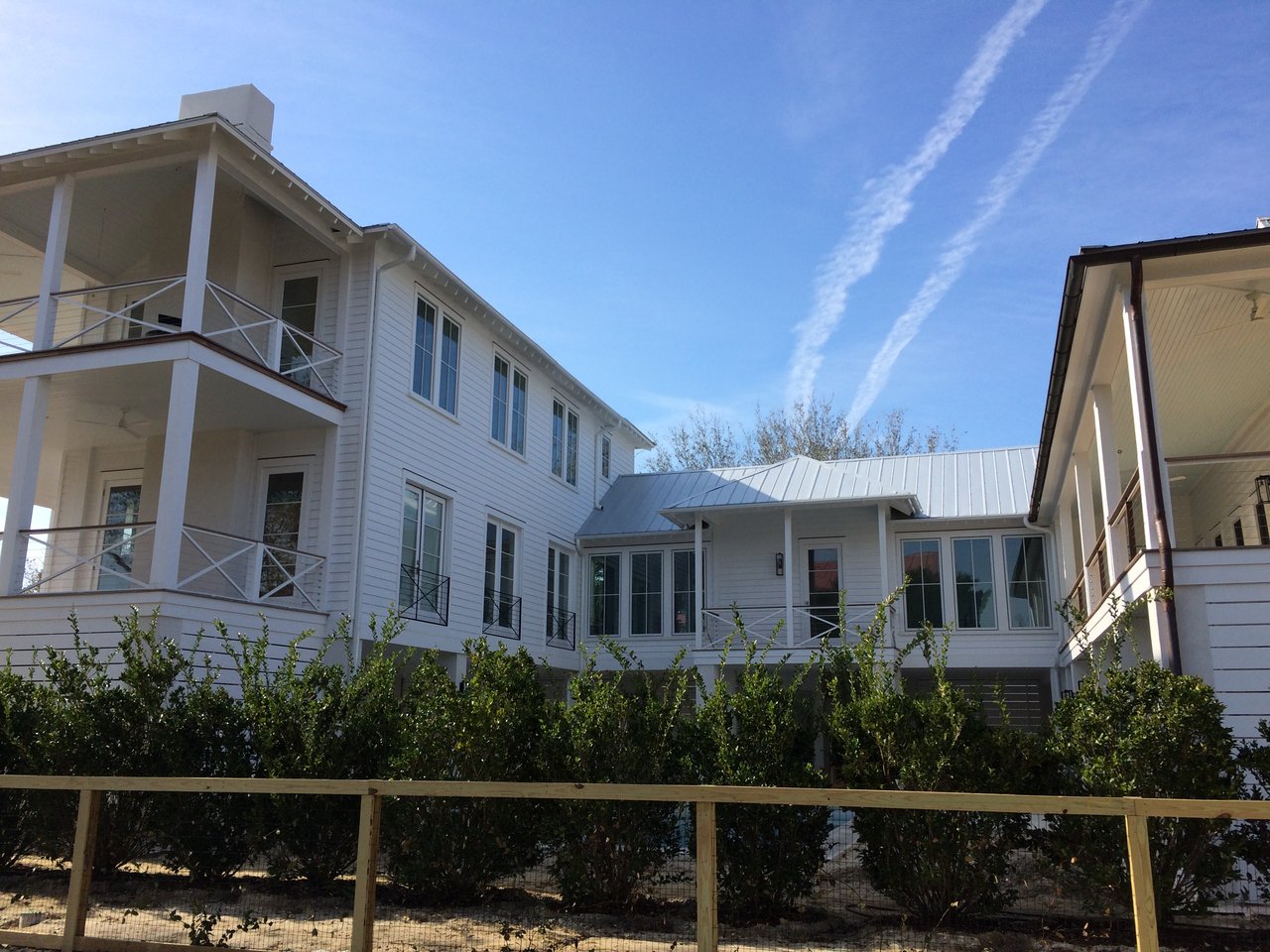
Base flood elevation. How high the lowest floor sits relative to the expected flood level. The more elevated the home, the lower the premium. This is why so many coastal homes are built on stilts.
Age of the home. Older homes that don't meet current elevation standards can carry significantly higher premiums than newer construction on the same lot.
Coverage limits. The National Flood Insurance Program covers up to $250,000 in building damage and $100,000 in contents for residential properties. If your home is worth more, you'll need to look at private flood insurance for the gap.
Community Rating System discounts. Charleston participates in FEMA's CRS program, which provides flood insurance discounts of up to 20% for properties within the city, based on the city's flood-mitigation efforts.
Three Things to Do Before You Close
If flood insurance is in your picture, do these three things during your due diligence period — not after closing:
Get an actual quote, not an estimate. Lenders sometimes estimate flood insurance high or low based on incomplete information. Get a real quote from an agent who writes flood policies in the Lowcountry.
Ask whether the seller's existing policy is assumable. On older homes with grandfathered rates, the seller's existing flood policy can sometimes be transferred to you at the same premium. This can save thousands per year. Your insurance agent can confirm whether the policy is assumable.
Check the elevation certificate. If the home has one, it can lower your premium significantly. If it doesn't, getting one done before you finalize your insurance can pay for itself many times over.
The 30-Day Rule You Need to Know
Here's the rule that catches buyers off guard: flood insurance policies typically have a 30-day waiting period before they take effect. There are exceptions — including policies purchased in connection with a home loan closing — but for general purchases, you can't just call up an insurance agent the week before a hurricane and buy coverage.
For Charleston buyers, this means flood insurance should be sorted well before closing, not the day of. And if you're buying outside the high-risk zones and considering an optional policy, don't wait until June to make the call. Hurricane season starts June 1 — and a policy bought in late May won't be effective in time.
A Charleston-Specific Reality Check
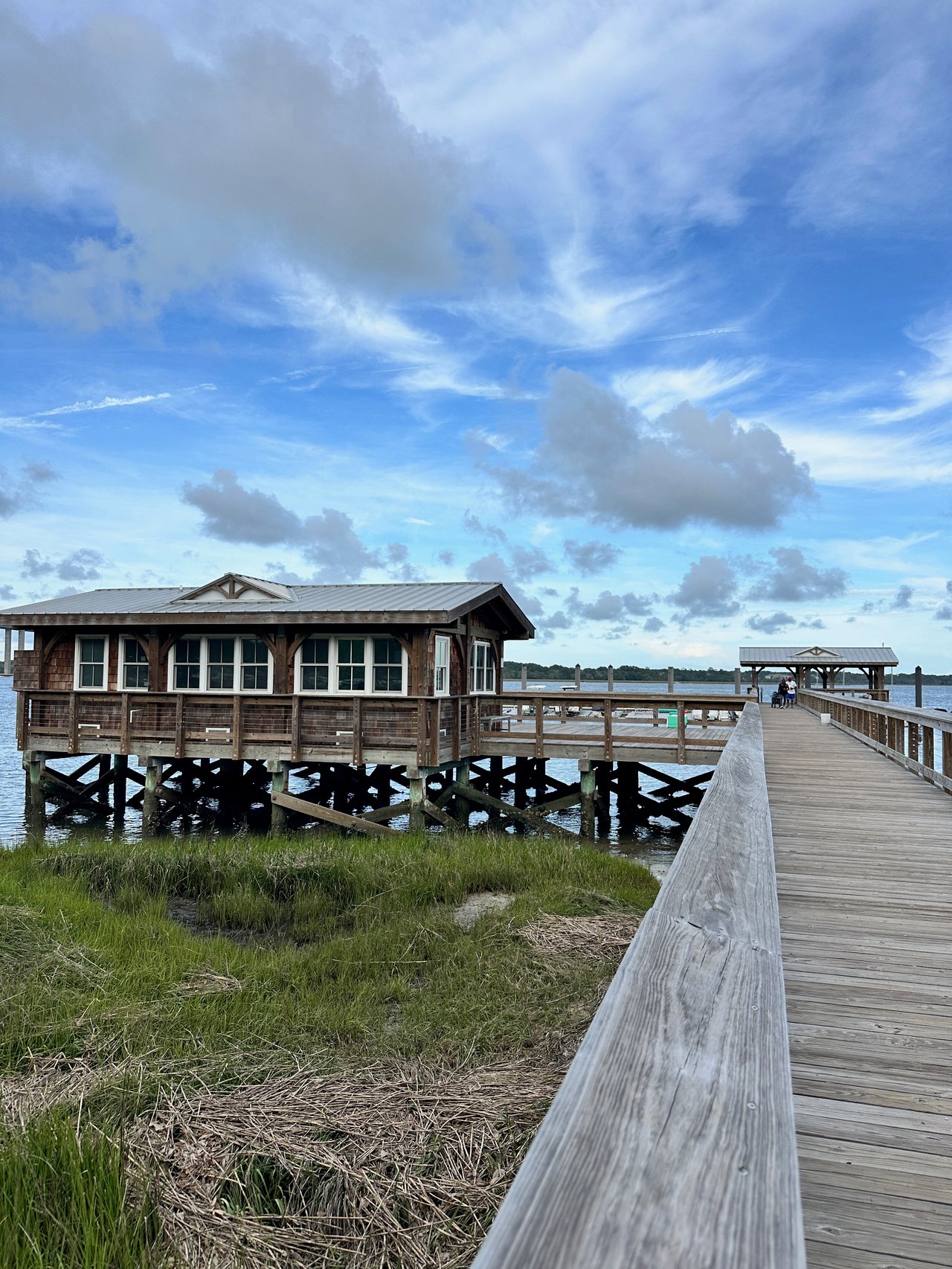
The Lowcountry is beautiful. It's also low. The same things that make Charleston such an incredible place to live — the rivers, the harbor, the marshes, the proximity to the ocean — also create real flood risk that doesn't exist in most American cities.
That doesn't mean you shouldn't buy here. It means you should buy here with your eyes open. Some of the best homes in the area sit in flood zones, and plenty of homeowners have weathered storms, kept up coverage, and built equity in the process. The mistake isn't buying in a flood zone — the mistake is not knowing you're in one until your insurance quote arrives a week before closing.
The Bottom Line
You don't have to guess about flood insurance. The flood zone is public information, the premium can be quoted in advance, and the policy decisions can be made before you sign — not after. The buyers who do best in Charleston are the ones who treat flood insurance as a known variable from day one, not a surprise at closing.
If you're house-hunting in the Charleston area and want help understanding the flood picture on a specific property — or comparing two homes where one is in zone X and one isn't — let's talk. A 10-minute conversation can save a lot of guesswork.
Article written by Dustin Guthrie
(843) 697-7757
[email protected]
ActiveCoastal.com