The Question Everyone Asks
“Is Charleston going to be underwater?”
Charleston is not a single elevation, a single neighborhood, or a single risk profile. It’s a collection of historic districts, barrier islands, inland communities, and higher-elevation neighborhoods — all responding differently to environmental change.
Sea level rise does not happen in dramatic leaps. It occurs in inches over decades. Those inches matter, but they don’t translate into sudden disappearance.
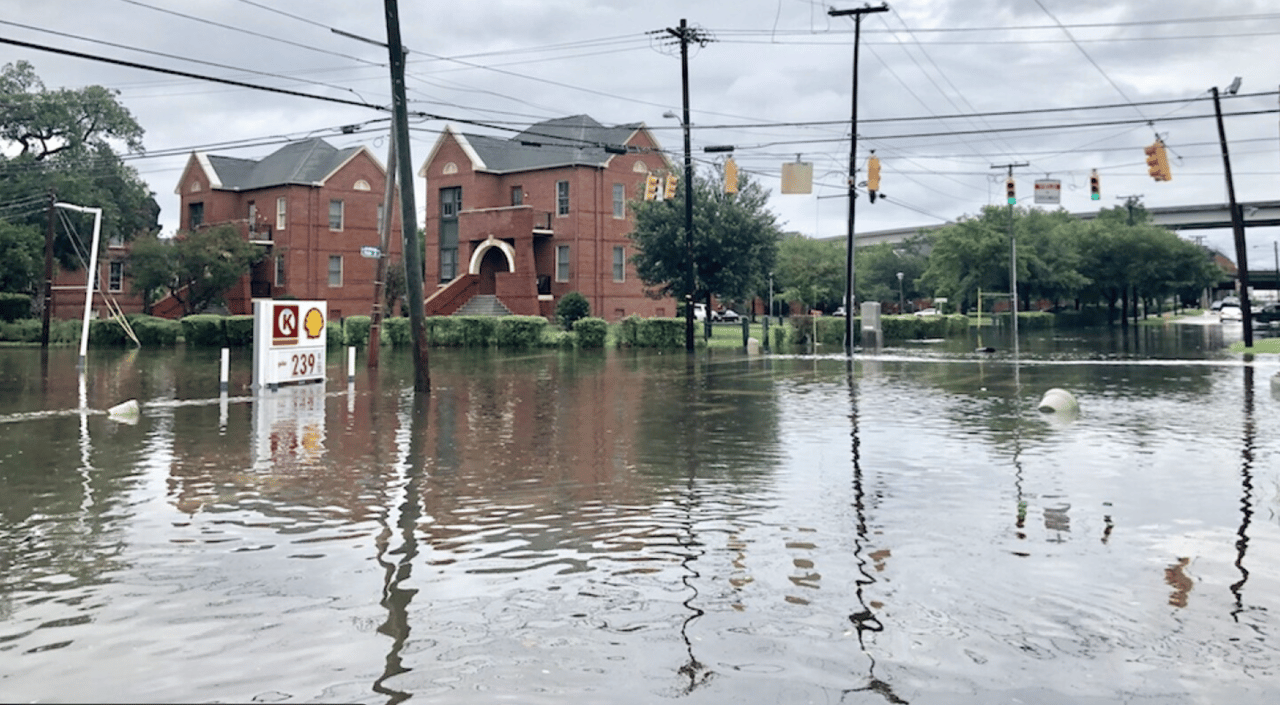
What they do mean is that low-lying areas experience flooding more often, especially during high tides or heavy rainfall. This has already been happening for years.
What Sea Level Rise Really Means for Charleston
Sea level rise happens in inches over decades, not overnight floods swallowing cities whole.
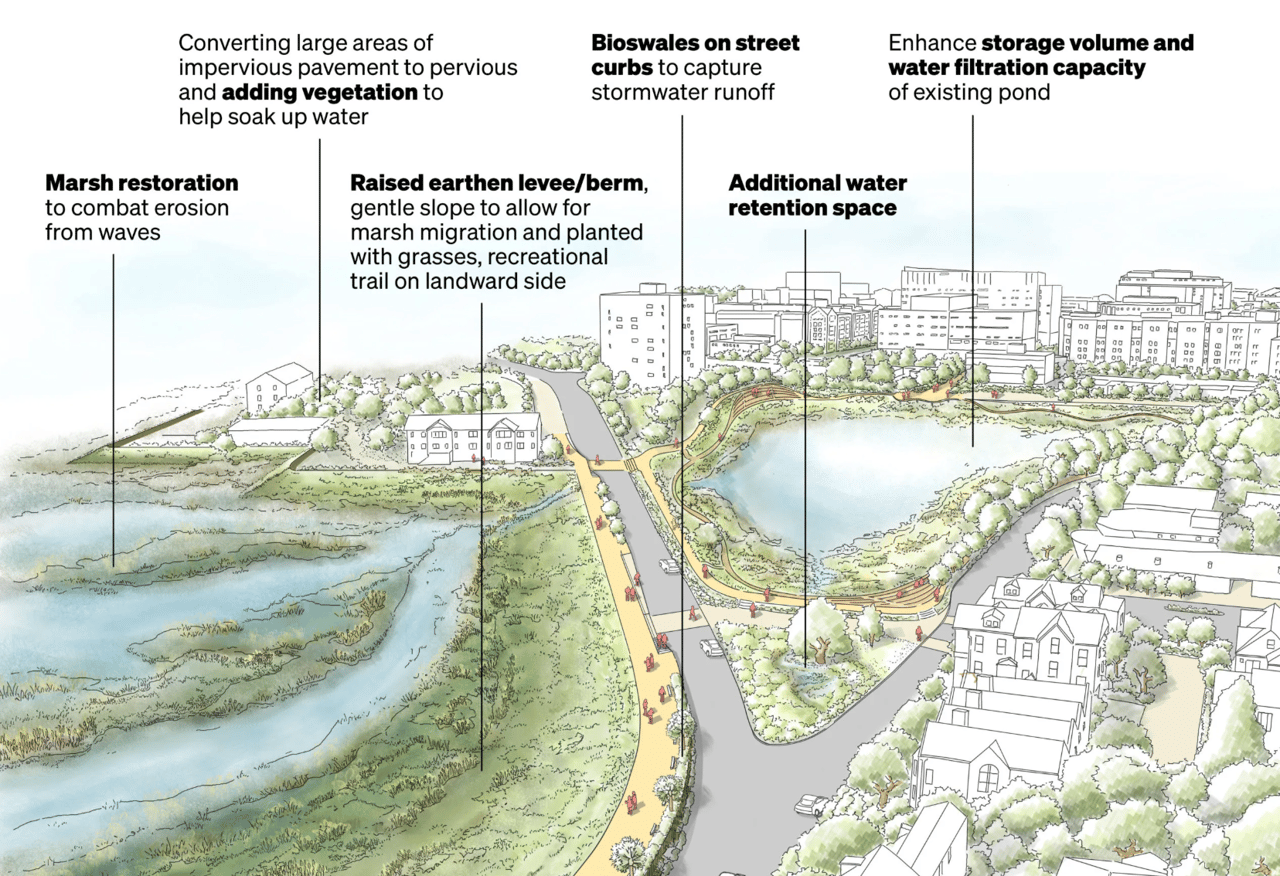
Projections show gradual sea level rise through mid-century and beyond. The impacts are cumulative, not catastrophic. Increased nuisance flooding, pressure on stormwater systems, and marshland migration are the most immediate effects.
Entire cities do not simply sink beneath the ocean. They adapt, redesign, and evolve — particularly cities with economic and cultural significance like Charleston.
Projections show:
-
Gradual increases through 2050 and beyond
-
Greater impact on marshes and tidal areas
-
Increased frequency of nuisance flooding — not constant submersion
Charleston is adapting for probability, not panic.
Charleston Is Not One Elevation
This is the most misunderstood point. Some parts of Charleston are vulnerable, particularly historic areas near waterways. Other neighborhoods sit significantly higher and face minimal flood risk even decades into the future.
This is why blanket statements about Charleston being “underwater” are misleading. Risk here is not universal — it’s specific.
Charleston includes:
-
High-elevation neighborhoods inland
-
Barrier islands built on engineered dunes
-
Historic low-lying areas near waterways
Some areas will face more challenges. Others will see little to no impact within a typical homeowner’s lifetime.
What’s Being Done Right Now
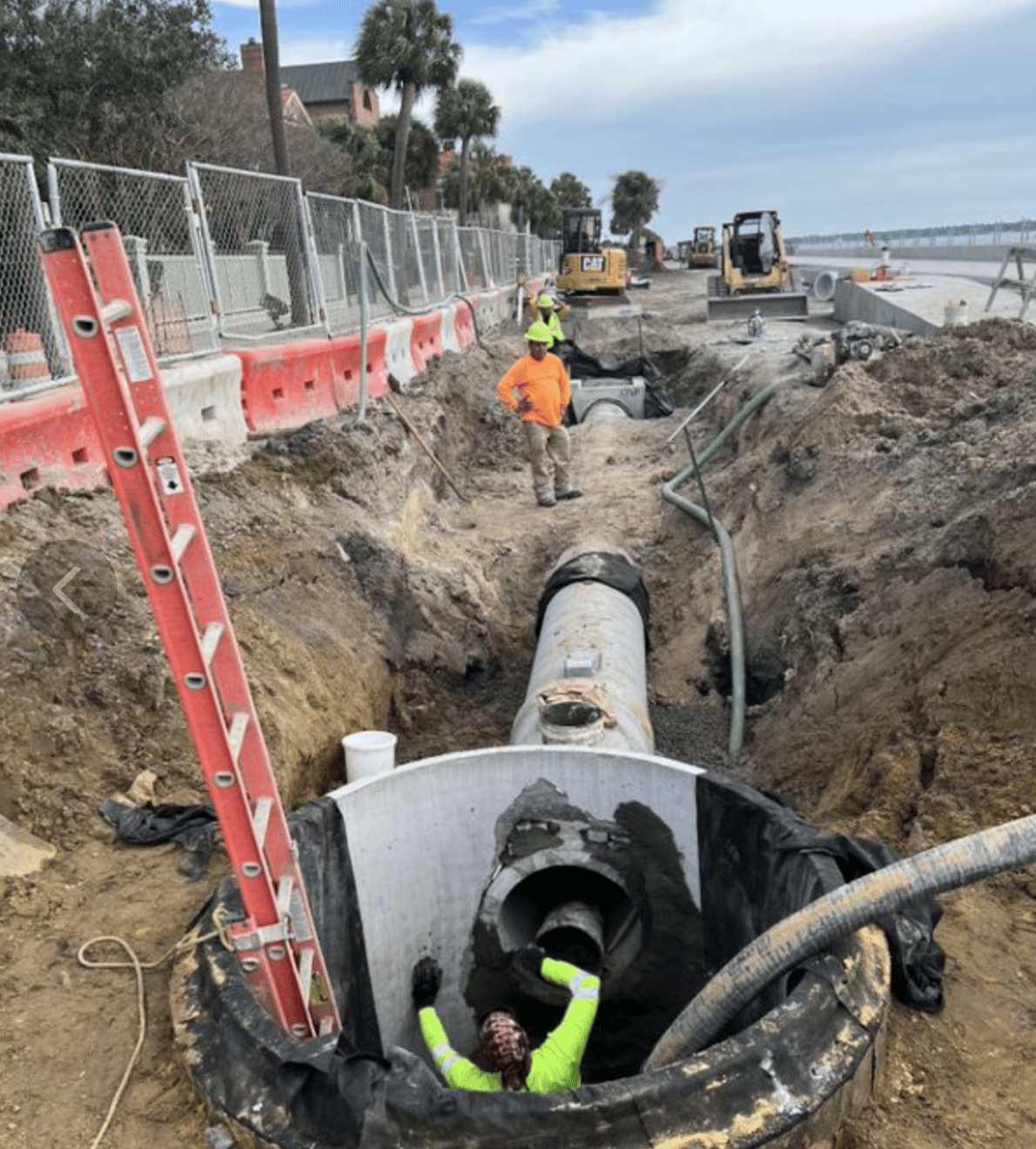
Charleston has committed substantial resources to flood mitigation, including large-scale drainage projects that rival those of much larger cities including:
-
Massive drainage tunnel projects
-
Pump systems similar to those in Amsterdam
-
Updated FEMA flood mapping and building requirements
These efforts are designed to reduce the frequency and duration of flooding events — not eliminate water entirely, which would be unrealistic in a tidal city.
Planning here assumes sea level rise will continue — and builds accordingly.
So… Will Charleston Be Underwater?
No — not in the way social media implies.
Charleston will look different in 50 or 100 years, just as it looks different than it did 100 years ago. But cities don’t vanish — they adapt. Charleston’s history is one of adaptation, resilience, and reinvention.
Understanding the nuance allows people to make smart, informed decisions instead of emotional ones.
Conclusion: Perspective Matters
People have lived, built, and rebuilt Charleston through centuries of storms, floods, and change.
Understanding risk doesn’t mean avoiding Charleston — it means choosing wisely, planning smartly, and working with someone who understands the nuances street by street.
By: Dustin Guthrie, Realtor
📞 Call/Text (843) 697-7757
📧 [email protected]
📸 Instagram @dustin_guthrie_realtor