If you've ever stood in your living room with a coffee in hand, wondering whether that hairline crack above the doorway is worth patching before you list — or whether your offer should ask for money toward new floors instead of a price reduction — you're asking the right questions. And you're not alone.
A recent look at over 1,000 real estate repair transactions completed in just the first five months of 2026 paints a clear picture of where today's buyers and sellers are putting their money, energy, and attention. The trends are practical, telling, and incredibly useful if you're planning a move here in the Lowcountry.
Here's what's actually happening on the ground.
Sellers Are Focused on First Impressions
Before a home ever hits the market, the projects homeowners are prioritizing aren't structural overhauls or big-ticket renovations. They're the things buyers notice the moment they walk through the door.
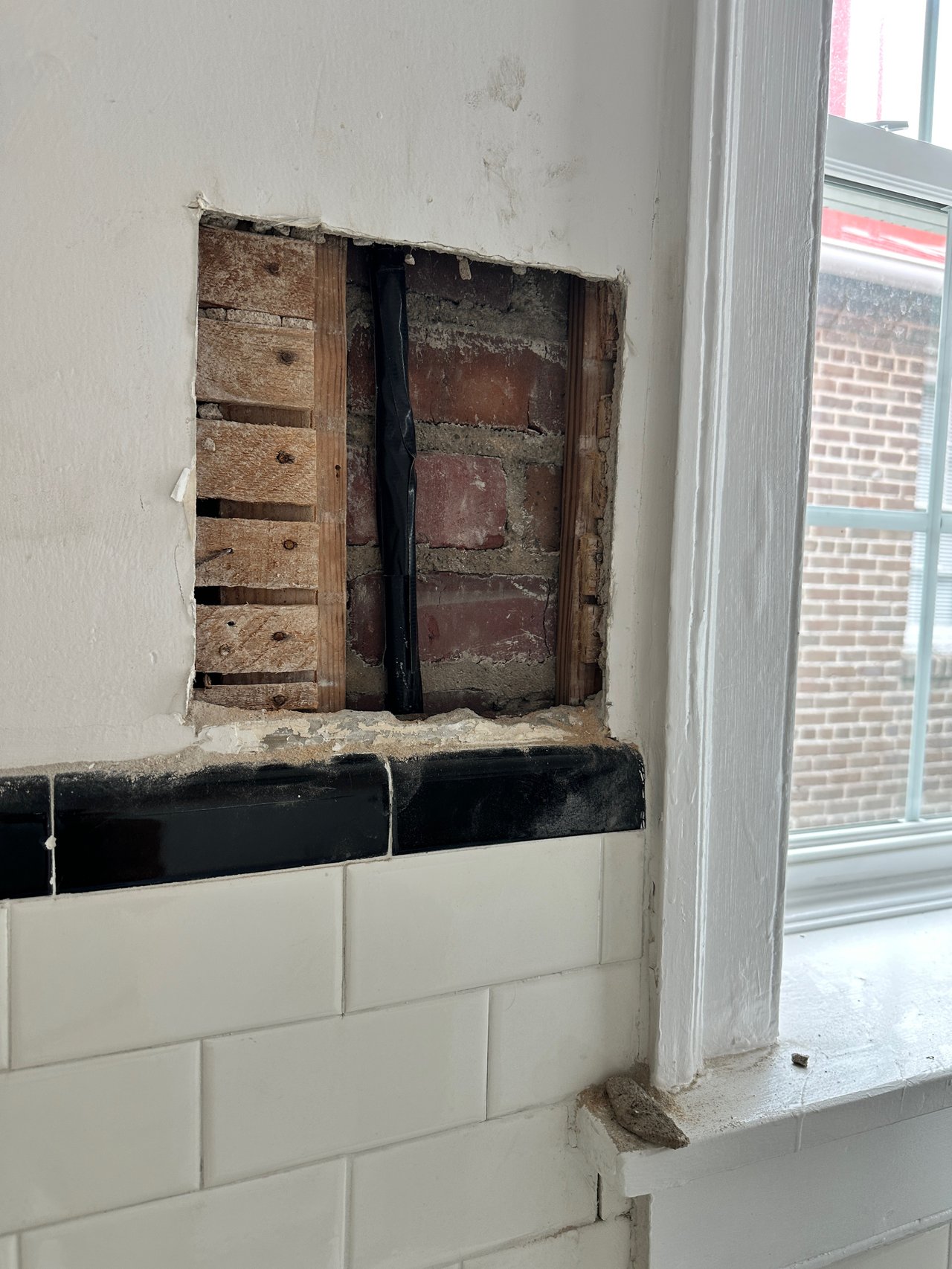
The most common pre-listing repairs right now include flooring replacement, fresh paint and wall texture work, addressing water staining on ceilings or walls, and patching visible cracks. None of this is glamorous, but it's strategic. Buyers form an opinion of a home within seconds of stepping inside, and a stained ceiling or a scuffed wall can plant doubt that's hard to shake — even if everything behind the drywall is in great shape.
The takeaway for sellers: cosmetic issues carry more weight than people think. You don't need to renovate to compete. You need to present a home that feels cared for.
Inspection Repairs Are All About Safety
Once a home is under contract, the conversation shifts. Inspection-related repairs continue to revolve around health and safety rather than aesthetics — which makes sense, because that's what inspectors are trained to flag and what buyers genuinely worry about.
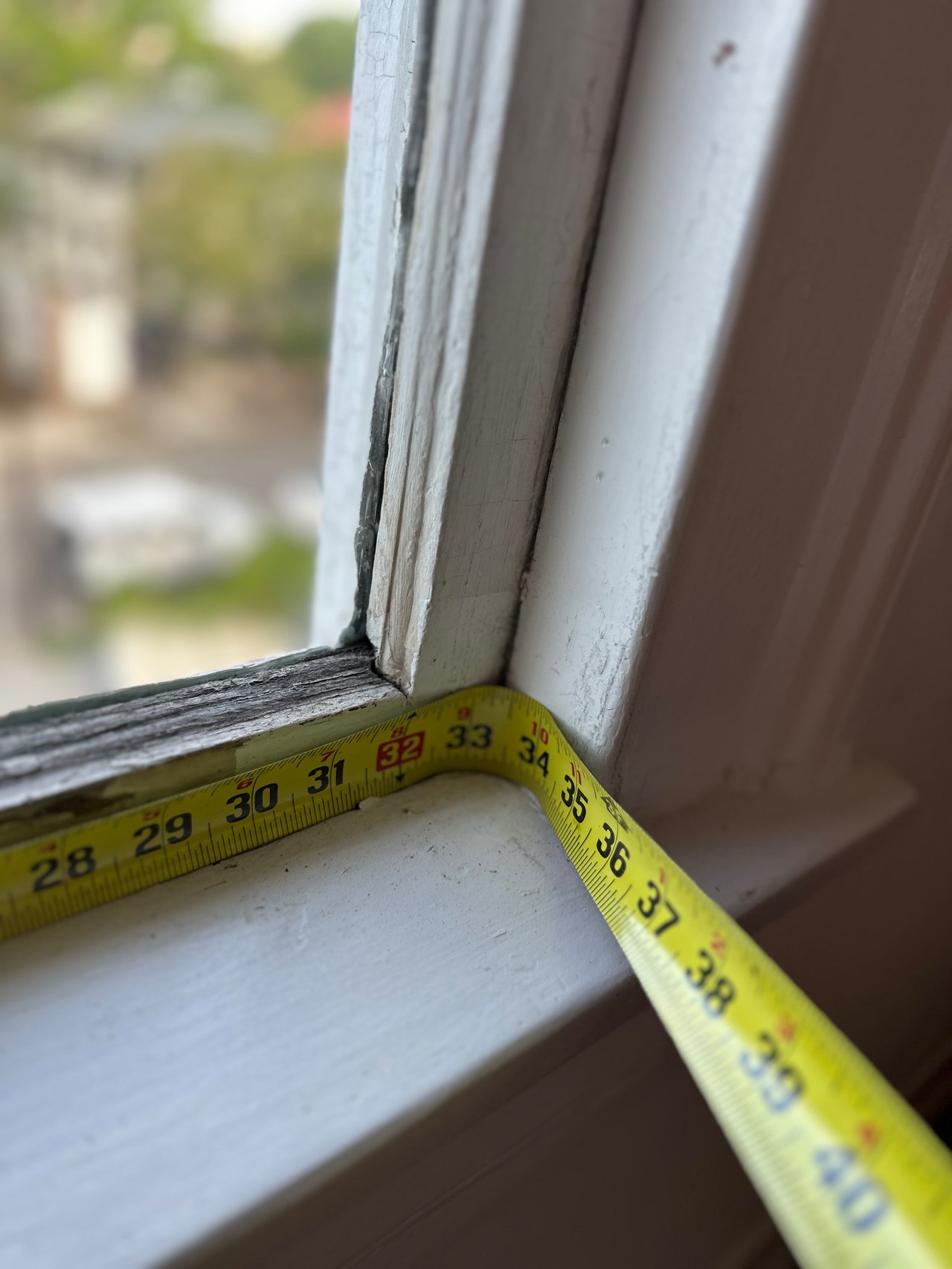
The most frequent inspection repairs we're seeing in 2026 include crawl space moisture mitigation (especially relevant in coastal Charleston, where humidity is a year-round opponent), window moisture issues, electrical updates, termite-related repairs, and replacing or updating smoke and carbon monoxide alarms throughout the home.
If you're selling in the Charleston area, this list should look familiar. Our climate, our older housing stock in places like downtown and West Ashley, and our proximity to water all make moisture and pest mitigation a recurring theme. Getting ahead of these items before listing — or at least knowing what's likely to come up — can save you from scrambling during the repair negotiation window.
Buyers Are Using Concessions to Personalize, Not Repair
Here's the most interesting shift: when buyers receive concessions at closing, they're increasingly using that money on personalization rather than fixing problems.
The top move-in projects in 2026? New flooring, appliance upgrades, and fresh interior paint colors chosen by the new owner. In other words, buyers are using seller credits to make a house feel like their house from day one — not to patch holes left behind by the previous owner.
This is a meaningful change. It suggests buyers are negotiating with intention, sellers are handing over homes in better baseline condition, and the first weeks of ownership are being spent on the fun stuff: picking out a paint color, choosing a new range, or finally getting rid of the carpet in the primary bedroom.
What This Means If You're Buying or Selling in Charleston
A few practical takeaways:
If you're preparing to sell, invest in presentation. Touch up paint, address water stains, replace dated flooring where it makes sense, and walk your home like a buyer would. The pre-listing dollar tends to stretch furthest when it's spent on what people see.
If you're under contract as a seller, expect the inspection conversation to center on safety and moisture. Have a plan for crawl space encapsulation quotes, electrical updates, and alarm replacements before the request hits your inbox.
If you're buying, think about how you'd actually use a concession. Cash toward closing is one option, but a credit you can apply toward flooring or appliances after move-in often delivers more long-term value — and lets you start putting your stamp on the home immediately.
The market in 2026 rewards preparation on both sides. The homeowners getting the smoothest transactions are the ones who understand what today's buyers actually care about — and price, prep, and negotiate accordingly.
If you're thinking about a move in the Charleston area and want to talk through what your home might need before listing, or how to structure an offer that puts you in the best position post-closing, let's chat. A short conversation now can save a lot of guesswork later.
Article By: Dustin Guthrie
📞 Call/Text (843) 697-7757
📧 [email protected]
📸 Instagram @dustin_guthrie_realtor
Helping buyers and sellers navigate the Charleston real estate market with local expertise.