A City People Love — Even With Its Challenges
Charleston has a way of captivating people almost instantly. It’s a city layered with history, charm, and a lifestyle that feels slower — but intentional. Walk the Battery at sunset or spend a quiet morning downtown before the heat sets in, and it’s easy to understand why Charleston consistently ranks among the most beloved cities in the country.
But Charleston is also a city shaped by its environment, and that environment brings real challenges. The biggest issues facing Charleston today aren’t unique to this city, but they are amplified here because of geography, age, and growth.
1. Flooding: Charleston’s Most Visible Challenge
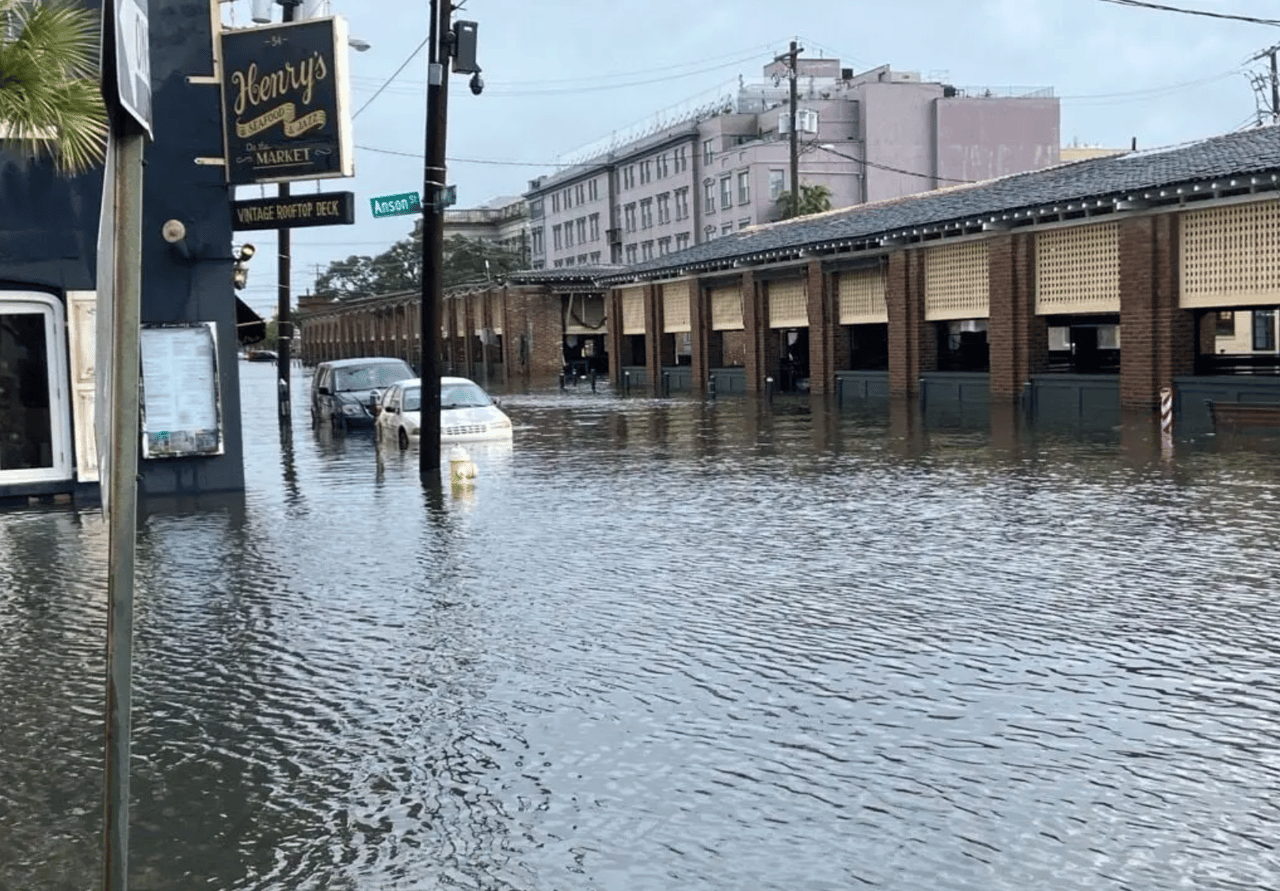
Flooding is Charleston’s most visible and widely discussed challenge, but it’s often misunderstood. This isn’t a city waiting to flood someday — it already does, in very specific ways.
Much of the Charleston peninsula sits just a few feet above sea level. When heavy rain coincides with high tide, stormwater has nowhere to go quickly. That’s when streets flood, sometimes even on sunny days during seasonal king tides.
What’s important to understand is that flooding in Charleston is highly localized. One street may see standing water while another just blocks away stays dry. Elevation changes of only a few feet make a major difference here. That’s why local knowledge matters so much — flood risk isn’t about ZIP codes, it’s about blocks.
Charleston experiences:
-
Tidal flooding during king tides
-
Rainfall flooding due to flat topography
-
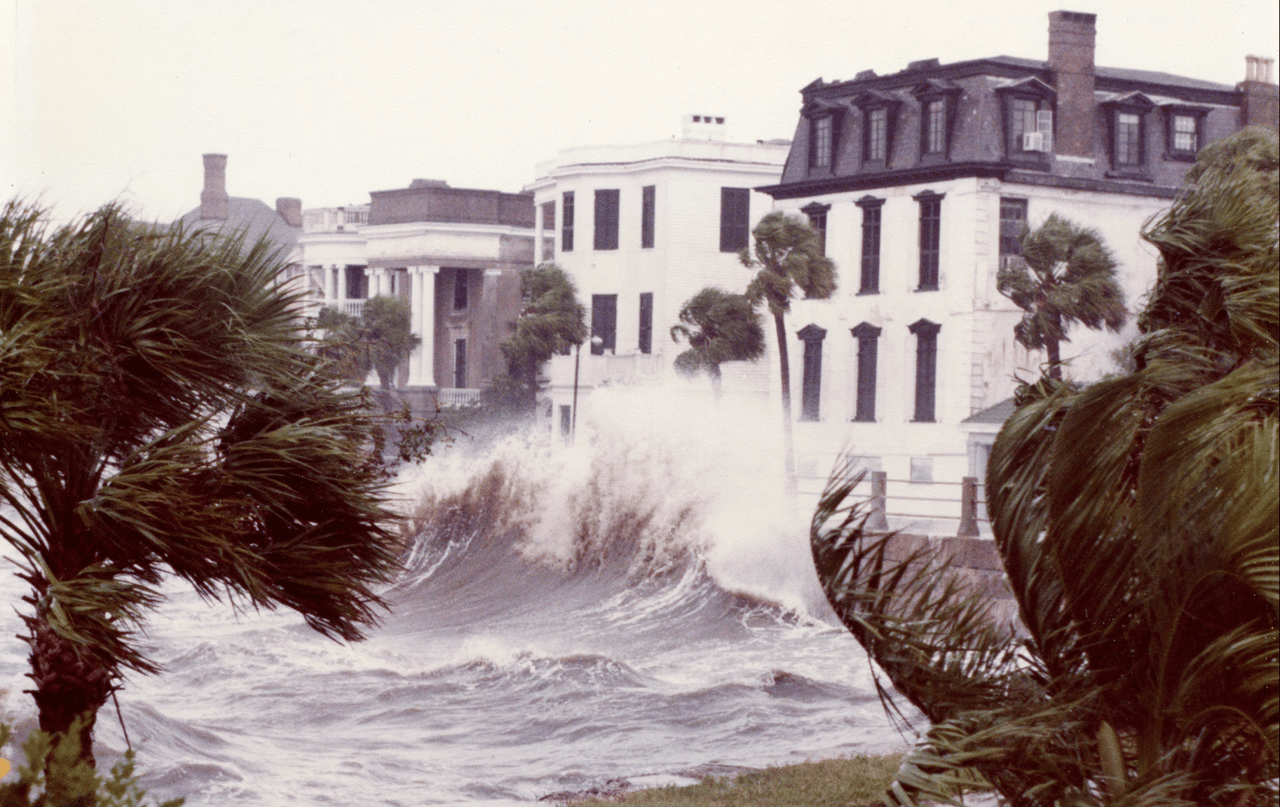
Storm surge flooding during hurricanes
The city has invested hundreds of millions of dollars into drainage tunnels, pump systems, and infrastructure upgrades. These projects aren’t flashy, but they’re essential. Charleston isn’t ignoring flooding — it’s actively managing it.
2. Sea Level Rise & Coastal Erosion
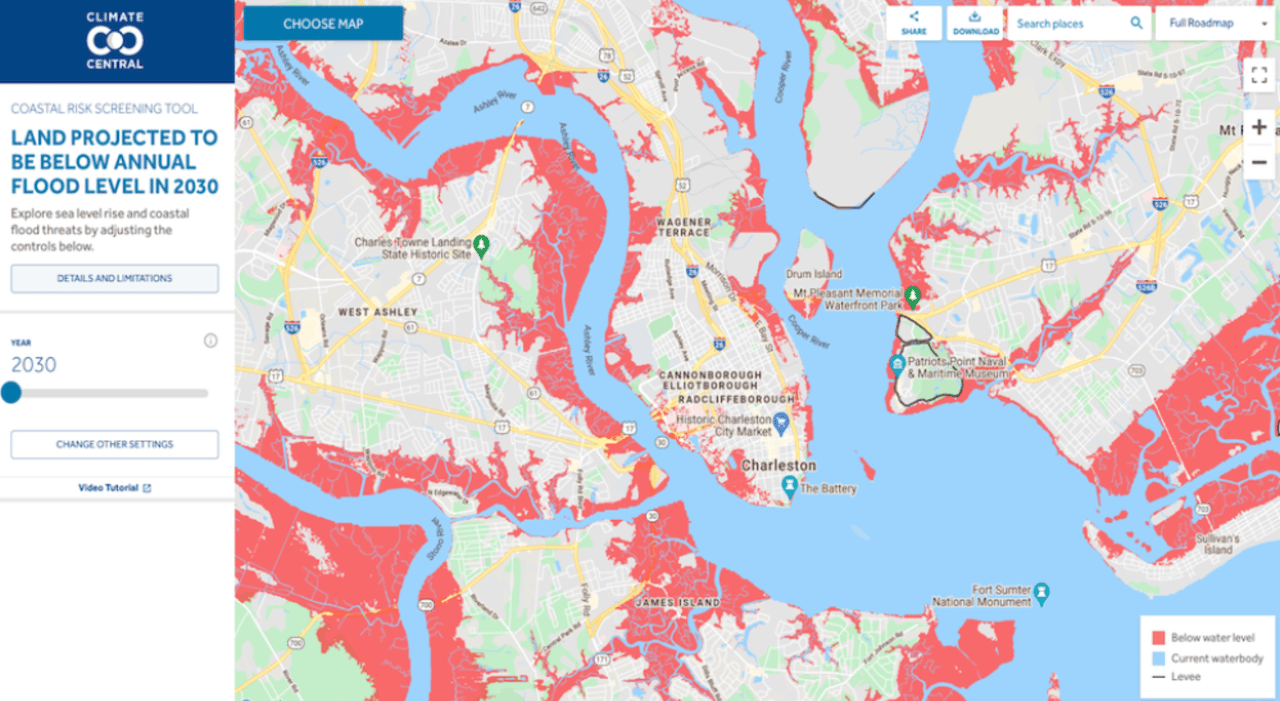
Sea level rise is real, measurable, and ongoing along the South Carolina coast. But it’s also slow, incremental, and often sensationalized in headlines.
This impacts:
-
Marshland migration
-
Low-lying roads
-
Coastal and barrier island communities
Rising sea levels don’t mean Charleston suddenly disappears. They mean higher baseline water levels that increase the frequency of nuisance flooding and put pressure on low-lying infrastructure over time. Marshlands shift. Drainage systems need to work harder. Certain areas become more vulnerable than others.
Charleston’s response has been proactive rather than reactive. Updated flood maps, stricter building codes, raised roadways, and smarter development patterns all reflect a city planning decades ahead, not months.
3. Aging Infrastructure Meets Rapid Growth
Charleston’s infrastructure wasn’t designed for the population it has today. As more people relocate here, the city faces pressure on:
-
Roads and traffic patterns
-
Stormwater systems
-
Utilities in historic neighborhoods
This isn’t a sign of decline; it’s a sign of demand. Cities people don’t want to live in don’t face growth pressure. Charleston does, and balancing preservation with modernization is one of its biggest ongoing challenges.
4. Hurricanes & Severe Weather
Living in a coastal city means living with the reality of hurricanes. Charleston has experienced major storms, near misses, and long stretches of relative calm. Modern construction standards, forecasting, and emergency planning have significantly reduced risk compared to decades past.
Storms are part of coastal life — not a constant threat, but a factor that residents understand and plan for.
Key realities:
-
Most storms weaken before landfall
-
Building codes have improved dramatically
-
Insurance and mitigation planning are far stronger today
Living here means understanding weather risk — not fearing it.
Why Charleston Is Still Thriving
If these challenges were deal-breakers, people wouldn’t keep moving here. But they are — in record numbers.
Charleston’s issues are real, manageable, and actively being addressed. With the right local knowledge, buyers can choose homes and neighborhoods that align with their comfort level and long-term goals.
This isn’t a city in decline. It’s a historic coastal city adapting — just like it has for over 300 years.
By: Dustin Guthrie, Realtor
📞 Call/Text (843) 697-7757
📧 [email protected]
📸 Instagram @dustin_guthrie_realtor