If you've been following housing market headlines lately, you might feel like you're getting two different stories depending on where you look. National outlets are talking about a buyer's market, record-high seller concessions, and softening prices. Local conversations sound more measured — steady demand, tight inventory, prices that haven't cracked. Both are telling the truth. They're just talking about different markets.
Here's what's actually going on nationally, what's different about Charleston, and what any of it means if you're deciding whether to buy or sell in the Lowcountry right now.
The National Picture: A Market in Reset
The big-picture story for 2026 is one Redfin has been calling "The Great Housing Reset" — not a crash, not a correction, but a gradual normalization after years of pandemic-era distortion. The core dynamics are straightforward: home prices continue to rise nationally, though at a slower pace than in previous years, and NAR reports that annual price appreciation has moderated while wage growth has remained relatively healthy. Nuvision Credit Union
The affordability picture remains tough for buyers. Monthly housing payments hit $2,647 — a one-year high and just $100 below the all-time record set in 2023, driven by elevated mortgage rates near 6.5–6.7%. The Fed's posture hasn't helped: the Fed signaled a potential rate hike by year end under new Chairman Kevin Warsh, effectively dashing hopes for rate cuts in 2026 and reinforcing a "higher for longer" environment.
The inventory story is where it gets interesting. Nationwide, there are currently 47% more home sellers than buyers in the market. That imbalance is forcing sellers to get creative: sellers gave buyers concessions in 46.2% of home sales in the three-month period ending May 31 — the highest share for any spring period since Redfin began tracking the statistic in 2019.
That concession rate isn't uniform across the country. The Sun Belt is leading the way for regions offering concessions, mainly because the once red-hot housing market in those areas appears to be slowing down as the number of sellers outpace buyers. Cities like Nashville, Charlotte, and Atlanta are seeing concession rates above 65–75% — a signal of how dramatically the balance of power has shifted in growth markets that overbuilt during the pandemic years.
Then there's the generational angle. Adults ages 61 to 79 continue to dominate the housing market, making up the largest group of both home buyers and sellers according to NAR's 2026 Home Buyers and Sellers Generational Trends report. Meanwhile, first-time buyers have fallen to their lowest share on record, comprising just 21% of buyers — with NAR's records dating back to 1981. The median age of a first-time buyer has now climbed to 40 years old, up from the late 20s in the 1980s — a sobering indicator of how much harder it has become to get into the market for the first time.
How Charleston Is Different
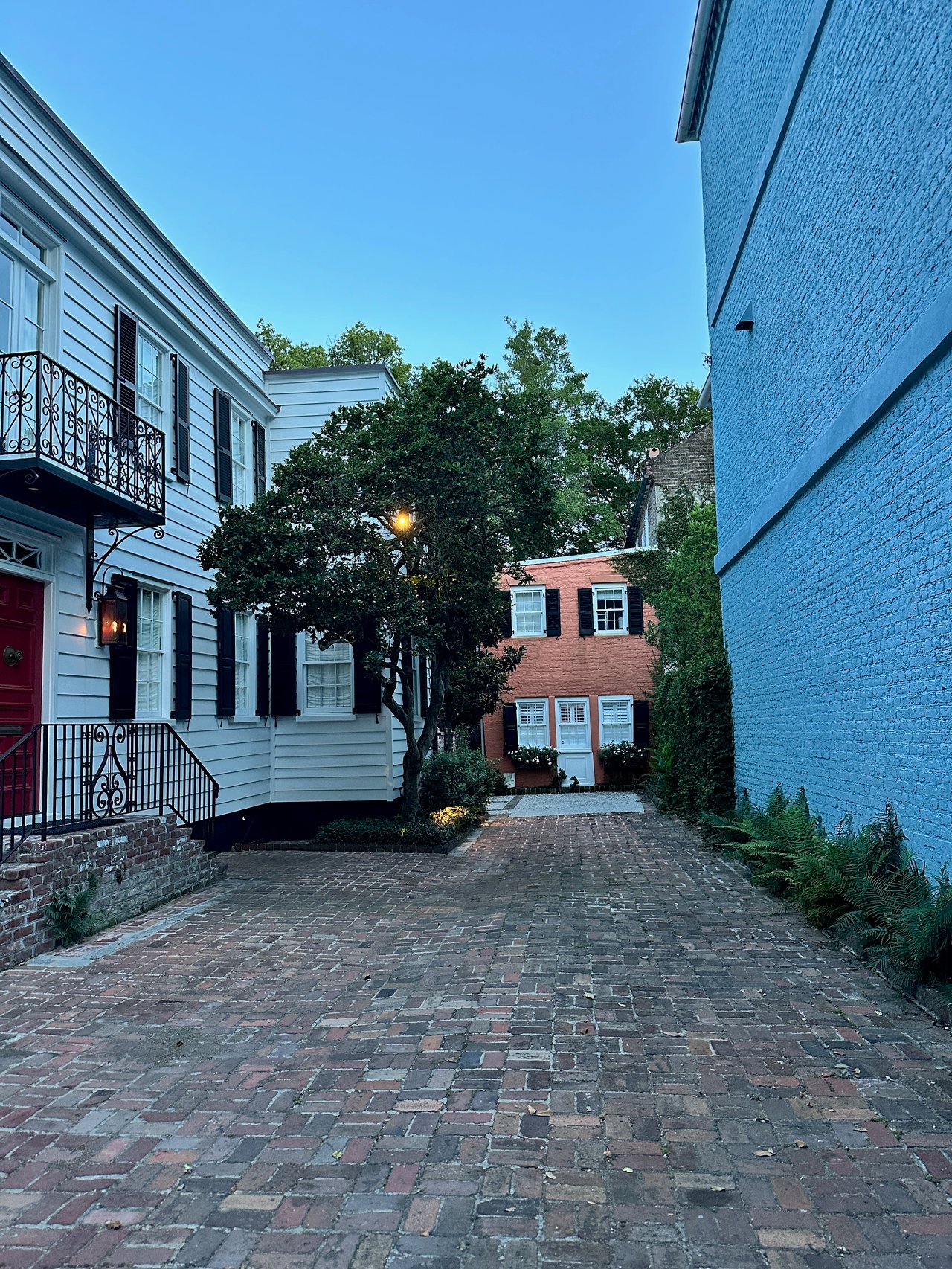
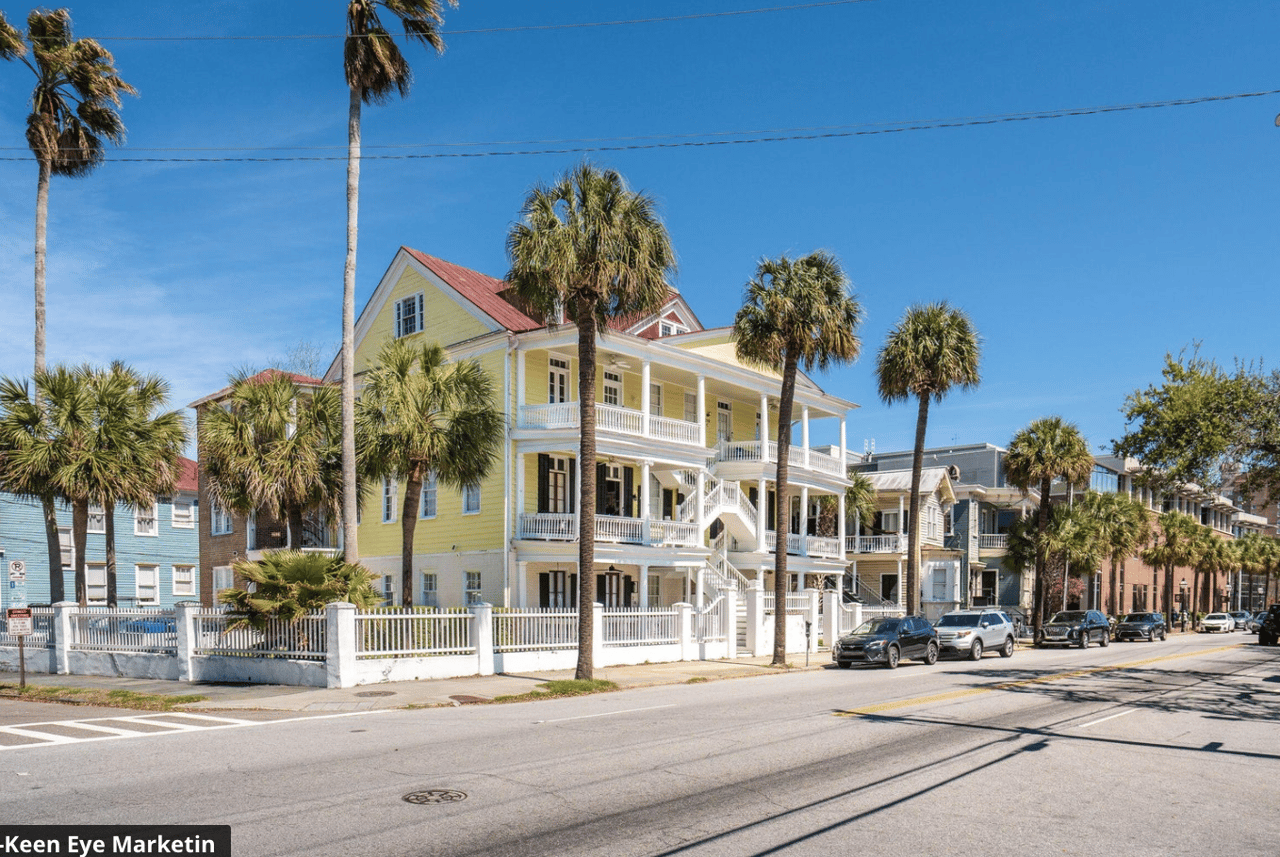
Charleston isn't immune to national trends, but it insulates against them better than most Sun Belt markets. Here's why.
The demand floor in Charleston is structural, not speculative. Buyer demand continues to be fueled by relocation — Charleston's job growth is anchored by three major economic engines: the Google data center in Berkeley County, Boeing's North Charleston expansion, and the Port of Charleston's Leatherman Terminal. These aren't temporary tailwinds. They're facilities already built and hiring, pulling families into the region year after year.
The result is a market that has normalized without breaking. Over the three months ending May 2026, Charleston home prices were up 5.5% year-over-year, selling for a median price of $640,000, with 1,012 homes sold in May — up from 945 the same period last year. That's not the frenzy of 2021, but it's not Nashville either.
Where Charleston does mirror national trends is in days on market and pricing discipline. With the sale-to-list price ratio at 97.09% in January 2026, only 8.7% of homes sold over asking price — down from 16.67% last year — and houses in Charleston with price reductions increased from 6.38% to 20.66%. The message for sellers is clear: the market will still reward a well-priced, well-presented home, but the days of pricing optimistically and waiting for buyers to catch up are over.
Inventory is up roughly 14% year-over-year in the Charleston metro, which gives buyers more options — but it hasn't tipped into oversupply. Active inventory is growing year over year, but is not creating oversupply, with buyer demand remaining steady, especially from relocations, retirees, first-time homebuyers, and investors.
What This Means Practically
For buyers in the Charleston area, the current environment is the most favorable in several years. More homes to choose from, sellers more willing to negotiate, and rates that — while still elevated — have pulled back meaningfully from the 7%+ levels of 2023. If you've been on the sidelines waiting for the market to break, this is worth reconsidering. Waiting for home prices to fall sharply in 2026 is unlikely based on the data — most major housing forecasts indicate a market that's slowing down, rather than reversing. Yahoo Finance
For sellers, the national headlines should be read carefully — they describe markets that are genuinely struggling, mostly in places that overbuilt aggressively. Charleston's story is different, but it does require execution. Accurate pricing from day one, a clean presentation, and a marketing plan that reaches out-of-state relocators isn't optional anymore. It's the baseline. Homes that meet that standard are still selling well. Those that don't are sitting longer than their owners expected.
The broader housing reset that economists are describing isn't a crash — it's a recalibration toward something closer to normal. For buyers and sellers in Charleston, normal looks better than most of the country gets right now.
Article written by:
Dustin Guthrie
(843) 697-7757
[email protected]