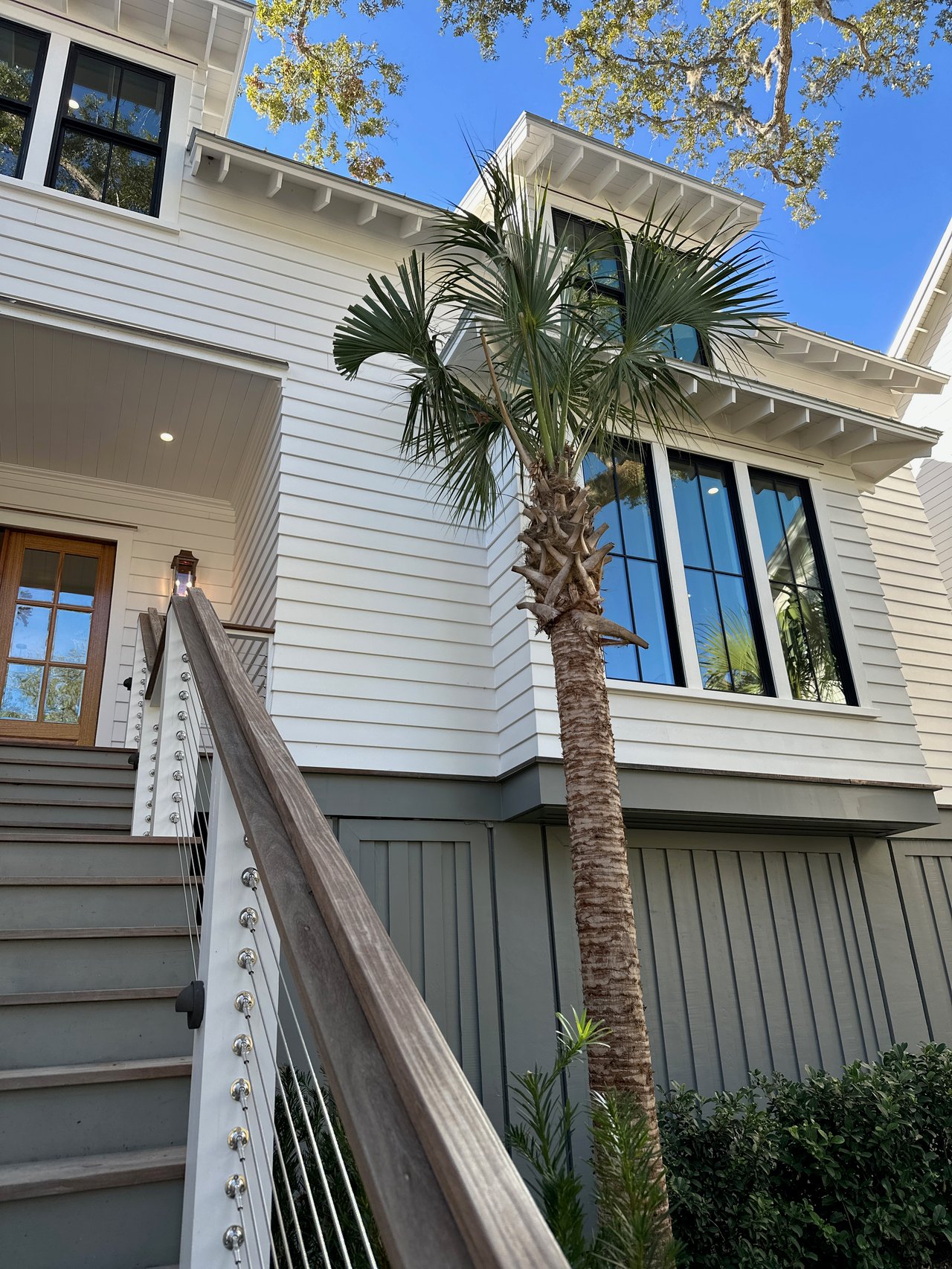
Key Takeaways
-
The "Algorithm Gap": Zestimates often miss critical Charleston-specific value drivers like Flood Zones (X vs. AE) and recent renovations.
-
The Real Cost to Sell: Beyond commission, sellers must account for Deed Stamps ($1.85 per $500) and prorated property taxes.
-
Inventory Shift: With Charleston inventory rising, "aspirational pricing" is causing homes to sit. Accurate data is your best leverage.
-
Net Sheet: The only number that matters is what hits your bank account. I can run a custom Net Sheet for you today.
If you are thinking about selling your home in Charleston this spring, you have probably already done "The Search." You Googled your address, looked at the Zestimate or Redfin Estimate, and thought, "Okay, that looks like a good number."
But here is the hard truth: You cannot spend a Zestimate.
In early 2026, we are seeing a growing gap between algorithm prices and contract prices. Why? Because an algorithm typically looks at square footage and zip codes. It doesn't know that your neighbor’s "comparable" sale was a foreclosure, or that your home is in the preferred X-Flood Zone while the one across the street is in an AE zone requiring $4,000/year in insurance.
If you are serious about making a move, you need to move from "Internet Math" to "Net Sheet Math." Here is the breakdown of what actually affects your bottom line right now.
1. The "Charleston Factors" That Zillow Misses
In our market, two identical houses can sell for $50,000 apart. Here is what the algorithms are currently getting wrong:
-
Flood Zones: This is the #1 value driver in 2026. Buyers are terrified of insurance spikes. If your home is in an X Zone (no flood insurance required), it commands a premium that online estimates rarely capture fully.
-
The "Marsh View" Premium: An algorithm sees "0.25 acres." It doesn't know if that quarter-acre overlooks a dumpster or a sunset over Shem Creek.
-
Condition vs. Size: In Charleston specifically, we are seeing "Turnkey" homes sell in 10 days, while "Fixer-Uppers" sit for 60+. Zillow treats them the same based on square footage, but the market value is vastly different.
2. The Hidden Costs: What Comes Out of Your Check?
Many sellers calculate their equity by simply subtracting their mortgage payoff from the sales price. You are forgetting the closing costs. Here are the specific South Carolina fees you need to budget for:
-
Deed Stamps (Transfer Tax): This is a state tax charged to the seller. The rate is $1.85 per $500 of the sales price.
-
Example: On a $500,000 sale, your Deed Stamps will cost you $1,850.
-
-
Prorated Property Taxes: You will pay the property taxes for the days you owned the home in 2026.
-
Commissions: While these are negotiable, most successful sellers in 2026 are budgeting for professional marketing and a buyer’s agent allocation to ensure maximum exposure.
3. Neighborhood Nuance: Who has the leverage?
Knowing your specific micro-market helps us determine how aggressive we can be with pricing.
- Downtown Charleston: The "Historic" Market. Here, the rules are different. Square footage matters less than parking and flood elevation. If you have off-street parking and a home in a decent flood zone, you hold all the cards. However, if your historic home needs significant structural work, expect a smaller buyer pool. In 2026, high insurance and renovation costs are scaring off the "weekend warrior" investor, so "project" homes are seeing deeper price cuts.
-
North Charleston: The "Value" Market. Inventory is up, and values have flattened slightly (-2.6% year-over-year). To sell here, you must be the "best value" on the block. Overpricing by even 5% means you will sit for months.
-
Mount Pleasant: The "Lifestyle" Market. Demand is still high for updated homes. If you have a renovated kitchen and good schools, you can push the price. If you are outdated, expect low-ball offers as buyers factor in renovation costs.
-
West Ashley: The "Location" Market. The separation is real. Homes "Inside the Loop" (closer to town) are holding value better than those further out. If you are selling a brick ranch near Avondale, you are in the driver's seat.
4. The Verdict: Get a "Net Sheet," Not an Estimate
A Valuation Report gives you a hypothetical price. A Seller’s Net Sheet gives you a check amount.
When I build a Net Sheet for a client, I calculate:
-
The realistic sales price range (based on human eyes on your upgrades).
-
Your mortgage payoff.
-
Exact Deed Stamps and prorated taxes.
-
Attorney fees and marketing costs.
The result? A clear number you can plan your future around.
Frequently Asked Questions (FAQ)
Q: Are Zillow Zestimates accurate for Charleston homes? A: Zestimates often lag behind market shifts. Since inventory has risen 15% recently, the algorithm may still be using data from the "peak" market. It also fails to account for Flood Zone differences, which drastically affect value.
Q: How much are closing costs for sellers in SC? A: Sellers should budget for Deed Stamps ($1.85 per $500 of price), prorated property taxes, attorney fees ($750-$1,250), and agent commissions.
Q: How long does it take to sell a house in Charleston right now? A: The average days on market is currently hovering around 56 days. If your home is priced correctly and "show ready," we can often beat that average.
Stop guessing. Know your number. If you live in Charleston - reach out directly with your address, and I will send you a Custom Seller Net Sheet (not a generic robot estimate) within 24 hours. No obligation—just real math.
By Dustin Guthrie Realtor, Carolina One Real Estate
📞 Call/Text (843) 697-7757
📧 [email protected]
📸 Instagram @dustin_guthrie_realtor