This is one of the most common questions I get from friends, clients, and anyone planning a first trip: "Should we stay downtown or at the beach?"
I've lived in the Charleston area for about 25 years. I spent my college years downtown at the College of Charleston, I've spent countless summer days on Sullivan's, Folly, and Isle of Palms with my kids, and I help people relocate here for a living. So here's the honest answer.
For most first-time visitors on a short trip, stay downtown. For families, beach lovers, and longer stays, stay at the beach, or do both. Charleston's beaches are close, but not walking-distance close. Where you sleep shapes your whole trip, because getting back and forth takes more planning than most people expect.
Here's how to decide.
The Quick Answer
If you are... | Stay... |
|---|---|
A first-timer on a 2–4 night trip | Downtown |
A couple focused on food, history, and walking | Downtown |
A family with young kids | The beach (Isle of Palms or Kiawah are popular) |
Coming mainly for sun and sand | The beach |
Staying 5–7 nights or longer | Split it: downtown first, then the beach |
Golfers or anyone wanting quiet | Kiawah or Wild Dunes on Isle of Palms |
Scouting a move | Both, and drive the commute at rush hour |
Why Stay Downtown
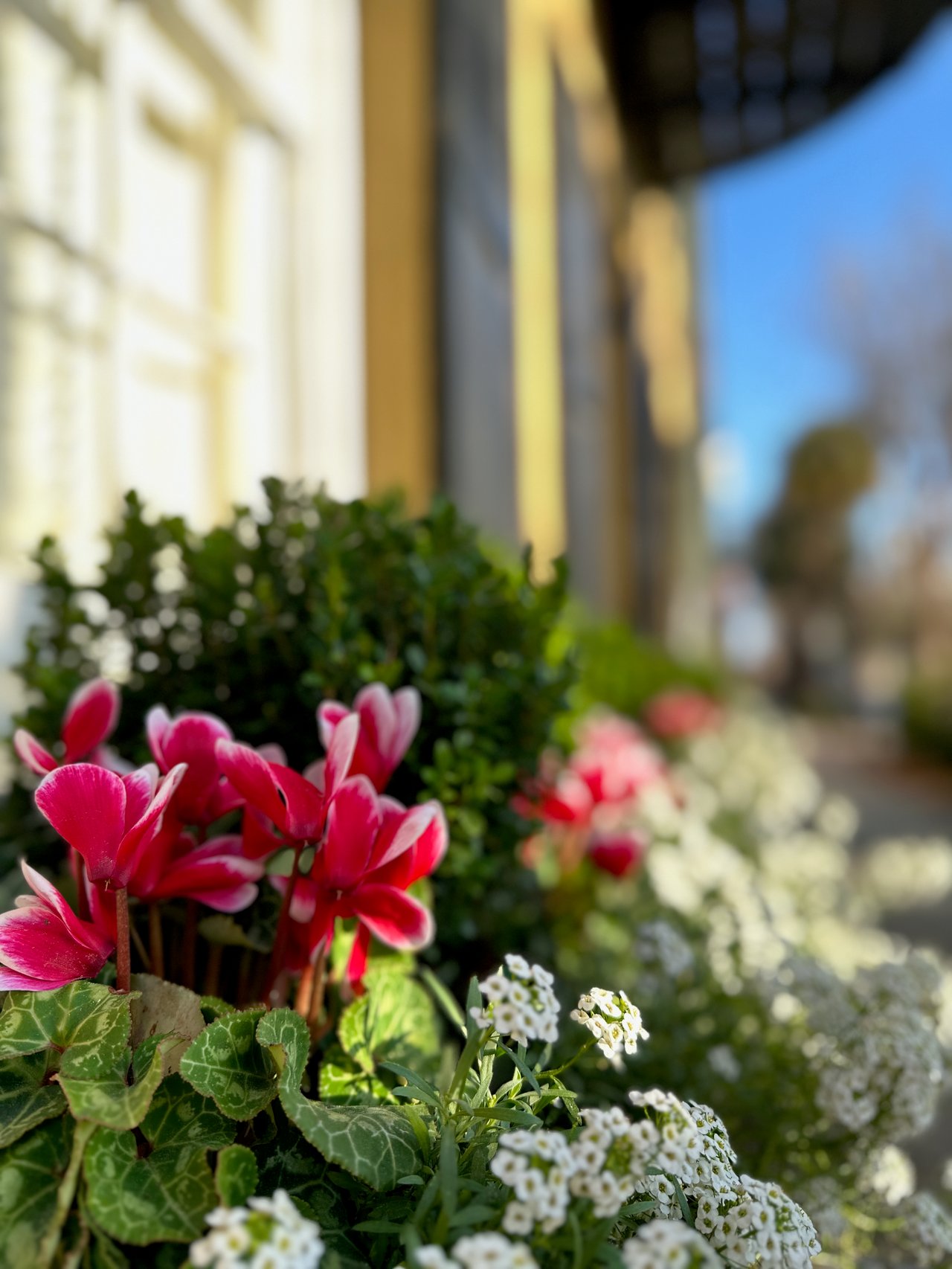
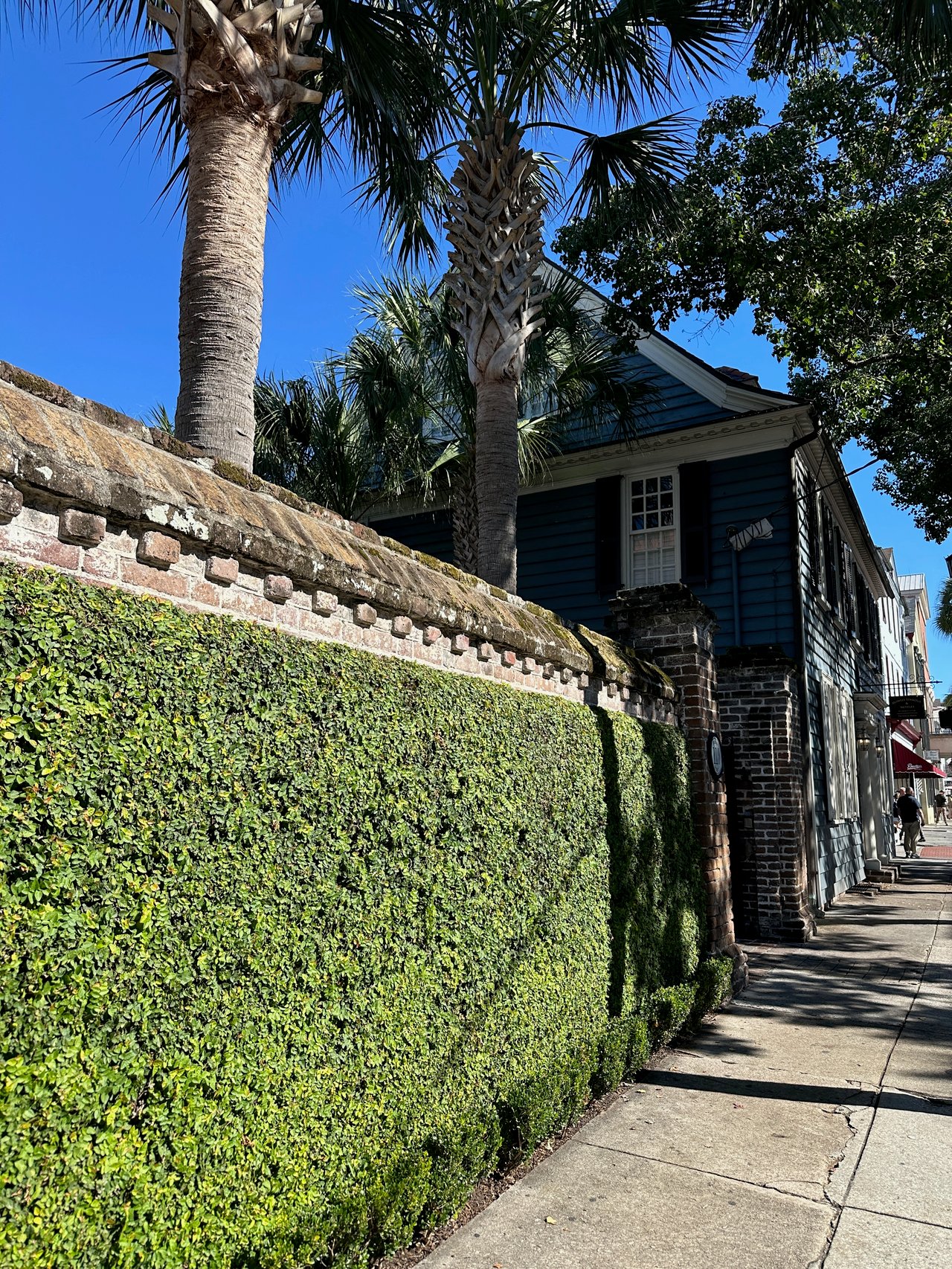
The historic peninsula is Charleston's heart, and staying there means you can walk almost everywhere.
- You can walk to everything. Restaurants, Rainbow Row, the Battery, the Market, King Street shopping, carriage tours, and museums are all on foot. No parking, no designated driver.
- Evenings are effortless. Dinner, a rooftop drink, and a nighttime stroll along the Battery without getting in a car is the classic Charleston experience. I wrote about walking Charleston at night if you're curious what that's like.
- It packs the most into a short trip. If you only have a long weekend, downtown lets you spend your time exploring instead of driving.
The tradeoffs:
- It costs more. Downtown hotels are some of the most expensive in the region. According to Explore Charleston's 2025 tourism report, as covered by ABC News 4, visitors spent an average of $584 on lodging per trip, and room rates were up 3.2% year over year.
- It's busier, especially on spring weekends and big event weekends. (My guide to when to avoid Charleston covers the busiest dates.)
- You'll drive to the beach, usually 20 to 45 minutes each way depending on the beach and traffic.
- Short-term rentals are limited. The City of Charleston tightly regulates short-term rentals on the peninsula, so most visitors stay in hotels or inns.
Why Stay at the Beach
There's nothing like waking up to the ocean, and Charleston's beach towns each have their own personality.
- It's more relaxing. Mornings on the sand, afternoons in the pool, sunsets without fighting traffic.
- You get more space for the money, especially in a rental house or villa for families and groups.
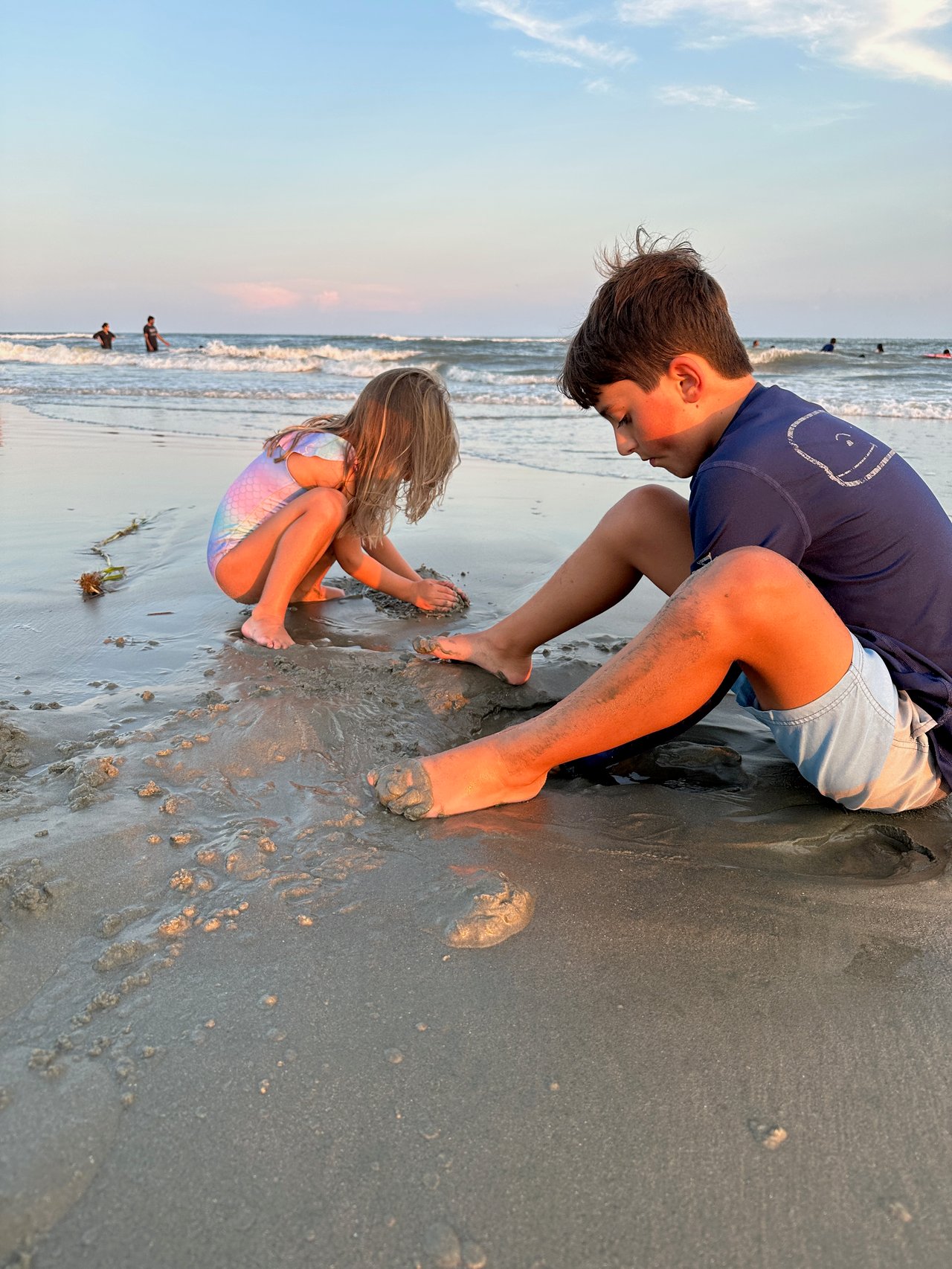
- Kids are happier. Beach days don't require loading everyone into the car.
The tradeoffs:
- Dinner downtown takes planning. You'll drive or rideshare in and out, and summer beach traffic can be slow, especially on Folly Road and the Isle of Palms Connector.
- Parking can be pricey. On Folly Beach, peak-season parking in most city spaces runs $3 per hour or $12 per day, with central spaces at $15 on weekdays and $25 on weekends and holidays.
- Many rentals require longer stays, especially in summer.
Which Beach? A Local's Quick Guide
Explore Charleston lists these approximate distances from downtown:
Beach | Distance from downtown | The vibe |
|---|---|---|
Sullivan's Island | ~9 miles | Closest and quietest. Wide beach, great restaurants, almost no hotels, so you'll rent a house or day-trip. |
Isle of Palms | ~17 miles | Family-friendly, wide beaches, Wild Dunes resort, good mix of rentals and hotels. |
Folly Beach | ~22 miles | Laid-back, funky "Edge of America" surf town with a pier, bars, and a younger crowd. |
Seabrook Island | ~25 miles | Private, quiet, gated community with rentals. |
Kiawah Island | ~27 miles | Upscale, natural, and quiet. World-class golf and about 10 miles of beach. |
A few insider notes:
- Kiawah is gated. To drive past the guardhouse, you need a pass, which usually comes with a rental or resort stay. Day visitors can still use Beachwalker Park, a public county park just before the gate, according to Kiawah Island Getaways.
- Folly versus Isle of Palms is a long-running debate. Isle of Palms is quieter and more family-oriented. Folly is a fun, casual beach town with bars, surf shops, and a pier, and it gets crowded on weekends. The Washout, Folly's famous surf break, can be rougher than little kids will enjoy.
- Sullivan's Island is my sleeper pick for families who want a quick drive back downtown for dinner.
The Best of Both: Split Your Stay
If you have five nights or more, my favorite answer is both. Spend the first two or three nights downtown and the rest at the beach.
A travel writer on Substack put it perfectly: ending at the beach is almost always better than doing it the other way around. You get the energy of the city first and then unwind before you head home. They also suggested saving split stays for longer trips, since packing up twice on a three-night trip isn't much fun.
A Local's Middle-Ground Picks
If you want a bit of both without switching hotels, consider:
- Mount Pleasant, especially near Shem Creek. Outside of rush hour, it's roughly 15 to 20 minutes to downtown and about the same to Sullivan's or Isle of Palms. If you want a taste, read about the day I paddled Shem Creek with my son.
- James Island, which sits between downtown and Folly Beach.
- Daniel Island, which I spent about 13 years focused on. It's quieter and family-friendly, with easy interstate access.
Visiting to Scout a Move? Here's What Changes
A lot of the people who ask me this question aren't just vacationing. They're quietly wondering whether they could live here.
If that's you, I'd stay in both places, because they're very different lifestyles:
- Downtown living means walkability, history, and restaurants at your door, along with older homes, flood considerations, and premium prices. My guide to Charleston's peninsula growth is a good primer.
- Beach living means the ocean in your backyard, but also higher insurance costs, flood zones, and longer drives. Before you fall in love with an island home, read whether you really need flood insurance and whether homeowners insurance will become unaffordable here.
- Thinking about a beach rental as an investment? Each beach town has its own short-term rental rules. Start with my guide to investing in a vacation rental.
Whatever you choose, drive from your beach rental to downtown at 5 p.m. on a weekday at least once. It tells you more about daily life here than any brochure.
The Bottom Line
Is it better to stay downtown Charleston or by the beach? If it's your first trip and you want history, food, and walkability, stay downtown. If you're traveling with kids or coming for the ocean, stay at the beach. And if you have the time, do both, starting in the city and ending on the sand.
There's no wrong answer. Charleston is one of the few places in America where you can have dinner in a 200-year-old building and watch the sunrise over the Atlantic the next morning.
If you're planning a scouting trip, I'm happy to help you map out neighborhoods and beaches worth seeing. Just reach out.
Article written by:
Dustin Guthrie, Realtor
(843) 697-7757
[email protected]