If you're thinking about moving here, or you've just arrived and your phone is quieter than you'd like, you've probably typed some version of this question into Google at 10 p.m.: Is it hard to make friends in Charleston?
I've lived in the Charleston area for about 25 years. I came here for college at the College of Charleston, stayed, built a career, and raised three kids here. I live in Park Circle now. I've watched thousands of people relocate to this area, many of them my clients, and I hear some version of this question constantly.
So here's my honest answer.
Charleston is easy to meet people in and a little slower to get close to people in. The surface-level friendliness is real and it shows up on day one. Strangers say hello, neighbors wave, and the guy next to you at the oyster bar will tell you his whole life story. Turning that into a real friend group, the people you'd call when your car breaks down on HWY 17, usually takes consistency and a little patience. The people who struggle are usually waiting to be invited. The people who thrive are the ones who show up to the same things over and over.
The good news is that this city makes showing up very easy.
The Short Answer: Friendly Fast, Close Friends Take Time
Charleston has a national reputation for friendliness, and it's earned. Condé Nast Traveler's readers have repeatedly ranked Charleston the friendliest city in America. In those surveys, readers specifically called out that people here actually talk to each other.
But being friendly and being friends aren't the same thing, and that gap is where most newcomers get frustrated.
One transplant who moved here in late 2021 wrote candidly on his Substack that it took roughly two and a half years before he had friends he truly liked and could depend on. He also described making new friends as an adult as one of the most rewarding things he'd done. That matches what I see. Most people I've helped relocate say the first year feels like acquaintances, and somewhere in year two it starts to feel like home.
That isn't a Charleston problem. It's an adult-life problem. But there are a few local quirks worth understanding so you don't take it personally.
Why It Can Feel Hard Here at First
1. "Transplant" Is a Real Phrase
If you're not from here, you're a "transplant" You'll hear it, usually with a smile.
Old Charleston was a small, tight-knit place where families had known each other for generations. A Charleston native writing in Charleston Magazine described how his parents' generation kept outsiders at arm's length, then noted that the city has since become a genuine melting pot with little of that old friction left. His advice for getting in? Get involved with the city's nonprofits. I'll come back to that, because he's right.
A Charleston City Paper columnist made a sharper version of the same point years ago: many of the people shaping modern Charleston, from its restaurants to its arts scene, are themselves from somewhere else. You won't be the only newcomer in the room. Most rooms are full of them.
2. The Region Is Spread Out
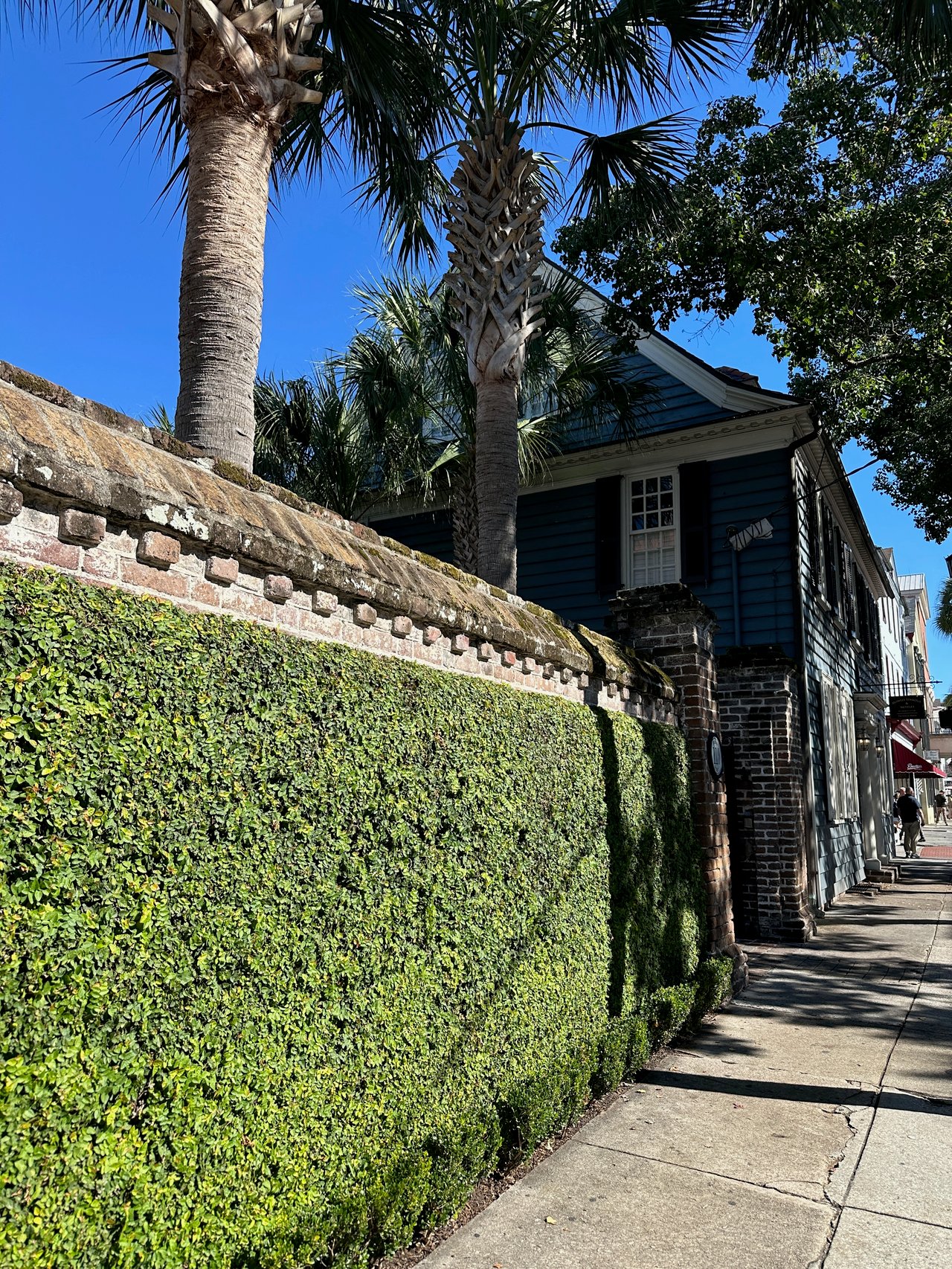
"Charleston" means downtown to visitors. To residents, it's a metro that sprawls across rivers and bridges, including Mount Pleasant, West Ashley, James Island, North Charleston, Daniel Island, Summerville and the beach islands. A friend who lives 12 miles away can be a 40-minute drive at rush hour. If your social life requires crossing two bridges, it will happen less often. Where you live matters (more on that below).
3. Lots of People Are New, and That's Actually Good for You
The City of Charleston grew from 150,227 residents at the 2020 Census to an estimated 159,423 in 2025, according to the U.S. Census Bureau. The broader metro has grown even faster, almost 2% per year for the past 10 years! That means a huge share of the people you'll meet are also looking for friends. You aren't trying to break into a closed circle. You're joining a city full of people in the same boat.
4. A Lot of Social Life Happens Around Food and Drink
A Charleston Moms contributor who relocated here joked that Charleston can be a bit of a boozy town. Fair. Brunch, oyster roasts, rooftop bars, brewery patios, and cafe's are the default meeting places. If that's not your thing, it's worth seeking out the active and volunteer side of the city on purpose, because it's just as big. It just isn't as visible from King Street.
What Real Newcomers Say
I wanted this piece to reflect more than my own perspective, so I looked at what transplants have written publicly about their first years here.
- A mom who moved here planning to stay two years wrote for Charleston Moms that she worried too much about feeling like an outsider at first. She ended up finding her very best friends through groups of moms, runners, writers, and actors, and she said once you put roots down here, you don't want to leave.
- A Mount Pleasant writer who moved from Maine shared in CHStoday that her husband and teenagers adjusted almost instantly while she took baby steps. Her tongue-in-cheek survival tips: start saying "IOP" instead of "Isle of Palms" as fast as possible, buy a jar of Duke's, never trash Clemson or the Gamecocks, and stay calm when you see a dolphin in Shem Creek.
- A longtime Charleston hairstylist wrote that most of her clients were not from here, and that those newcomers became some of her dearest friends.
The pattern is consistent. People who felt isolated at first found their people through recurring, shared activities, not random nights out.
My Own Experience: College Was Easy Mode
When I was a student at the College of Charleston, making friends took almost no effort. The campus sits right in the middle of the peninsula, everything is walkable, and you run into the same faces every day on the Cistern Yard and along King Street.
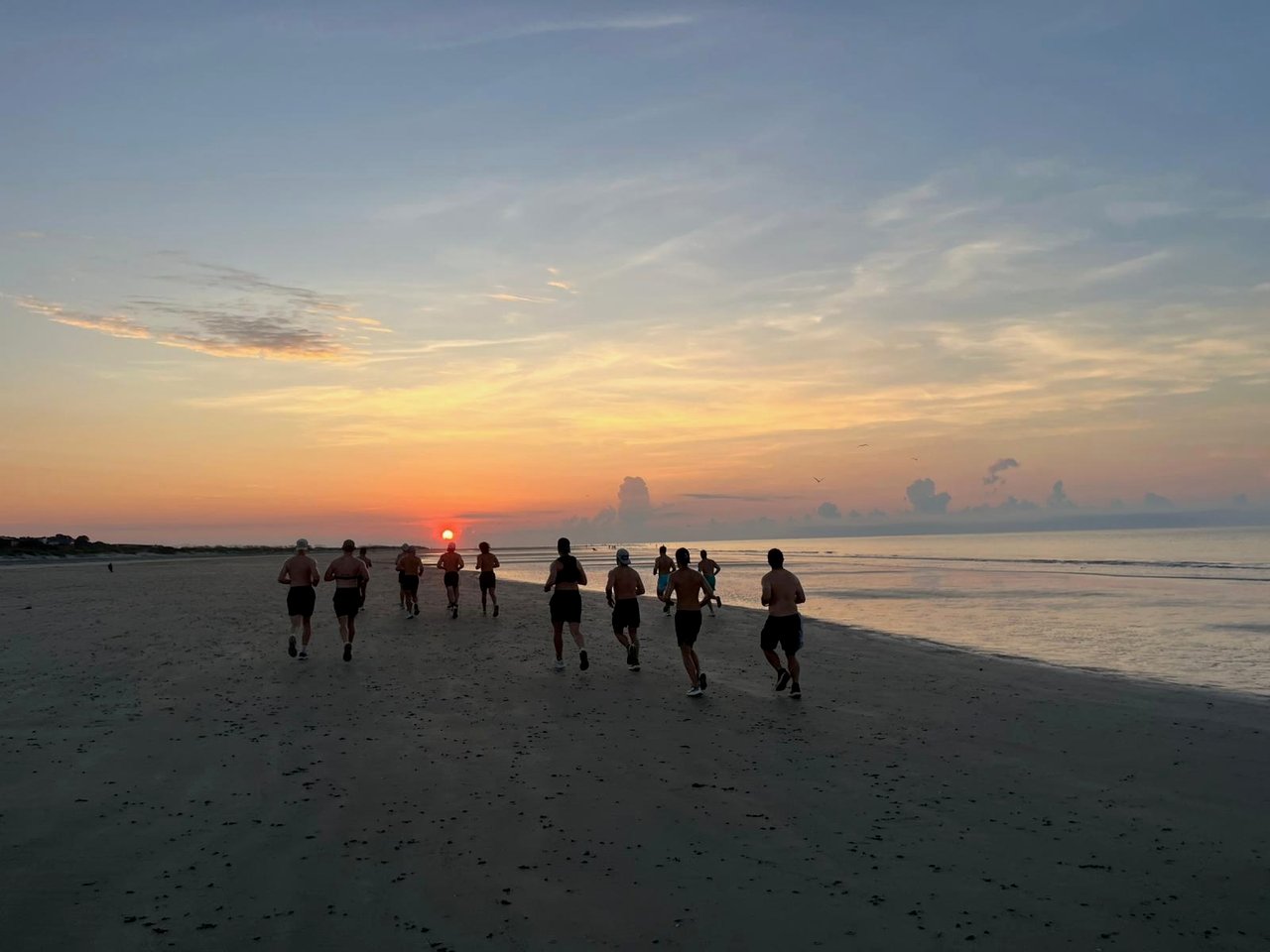
The real test came after graduation, when the built-in structure disappeared. That's the stage most relocating adults are in. For me, the friendships that lasted came from the same places they come from for my clients today: work, the neighborhood, my kids' activities, and running. I'm a runner and currently training for a marathon, and I can tell you that a few months of early-morning miles with the same group will bond people faster than a year of happy hours.
Where People Actually Make Friends in Charleston
Here's the practical part. These are the places I see newcomers build real friendships.
Run Clubs / Gyms / Workout Studios
Run club culture is huge here. Charleston Living reports there's a social run club almost every weeknight somewhere in the region, from Park Circle in North Charleston to Mount Pleasant. Routes go through Hampton Park, around Colonial Lake, and across the Ravenel Bridge. The magazine also notes that members typically hang around for an hour or more after the run, and you don't have to be fast, or even run the whole way, to belong. Groups like Run James Island and the Charleston Running Club are good starting points.
Bonus: training for the Cooper River Bridge Run every spring gives you a built-in group goal.
Adult Rec Leagues
Charleston has a deep "adult recess" scene. Volo Sports runs leagues across downtown, Daniel Island, West Ashley, James Island, Mount Pleasant, and North Charleston in kickball, soccer, sand and indoor volleyball, softball, pickleball, flag football, cornhole, and dodgeball. Most leagues run roughly $80 to $135 per player, and plenty of people sign up solo. The City of Charleston also offers co-ed kickball, flag football, softball, and volleyball through the Charleston Sports and Social Club, four seasons a year.
Pickleball deserves its own mention. It has become one of the most popular sports in the Lowcountry and is about the easiest way to meet people across every age group. Every community tennis court now has dedicated pickleball space for everyone to enjoy.
Volunteering and Nonprofits
This is the native's advice, and it works. Charleston runs on its nonprofits. Organizations like the Lowcountry Food Bank, Charleston Animal Society, East Cooper Community Outreach, Ronald McDonald House are always looking for help, and preservation and arts groups have active young-professional committees. When you volunteer, you meet people who care about the same things you do, and you meet the longtime locals who make this city tick.
The Water
A lot of Charleston friendships start on a boat, a paddleboard, or a sandbar. Kayak tours, sailing clubs, paddle groups, and the beach are all welcoming to newcomers. If you want a taste of it, read about the day I paddled Shem Creek with my son.
Your Kids, Your Dog, and Your Church
If you have kids, school and youth sports will put you on a first-name basis with half your zip code by October. Dog parks are social hubs. And Charleston isn't called the Holy City for nothing. Churches and synagogues here run active newcomer, small-group, and young-adult programs.
Where You Live Makes a Big Difference
This is where my day job comes in. If making friends matters to you, and it should, choose a neighborhood that makes bumping into people easy.
- Park Circle (North Charleston): I live here, so I'm biased, but it's one of the most social neighborhoods in the region. There's a walkable village of restaurants and bars, the circle itself hosts community events, and neighbors actually know each other. Read more in why Park Circle is one of Charleston's most loved neighborhoods.
- Daniel Island: I spent about 13 years focused on Daniel Island. It's a planned community built around parks, a walkable town center, and events, which makes it very easy for families and newcomers to connect.
- Downtown and the Upper Peninsula: The best fit for people in their 20s and early 30s who want walkability and spontaneity.
- Mount Pleasant, James Island, and West Ashley: Strong neighborhood identities, lots of families, and active community calendars.
If you're still deciding, my practical guide to choosing a Charleston-area neighborhood walks through the tradeoffs.
A 90-Day Playbook for Newcomers
If I were moving here tomorrow and knew no one, here's what I'd do:
- Say yes to everything for 90 days. Every invite, every neighborhood gathering, every coworker lunch.
- Pick two recurring activities and never miss them. A weekly run club and a rec league is a great combo. Repetition is what turns faces into friends.
- Become a regular somewhere. Same coffee shop, same brewery trivia night, same Saturday farmers market. Charleston rewards regulars.
- Host something. Oyster roast season kicks off as the weather cools in the fall. Nothing makes you "from here" faster than throwing one.
- Volunteer at least once a month. It's the most reliable way to meet longtime locals.
- Learn the local manners. Wave at drivers who let you in. Say good morning. Don't open with how things were done back home.
The Bottom Line
Is it hard to make friends in Charleston? Not if you treat it like a project instead of waiting for it to happen. The friendliness is genuine, the city is full of newcomers looking for connection, and there are more run clubs, rec leagues, nonprofits, and waterfront hangouts than you could ever get to.
Give it a year of showing up. Most people I work with tell me that somewhere around the 12- to 18-month mark, they stop feeling like they moved here and start feeling like they live here.
If you're planning a move and want to talk through which neighborhoods fit the social life you're looking for, I'm always happy to help. And once you've found your spot, I can walk you through everything from whether to rent first or buy right away to how earnest money and due diligence work in South Carolina.
Article written by :
Dustin Guthrie, Realtor
(843) 697-7757
[email protected]