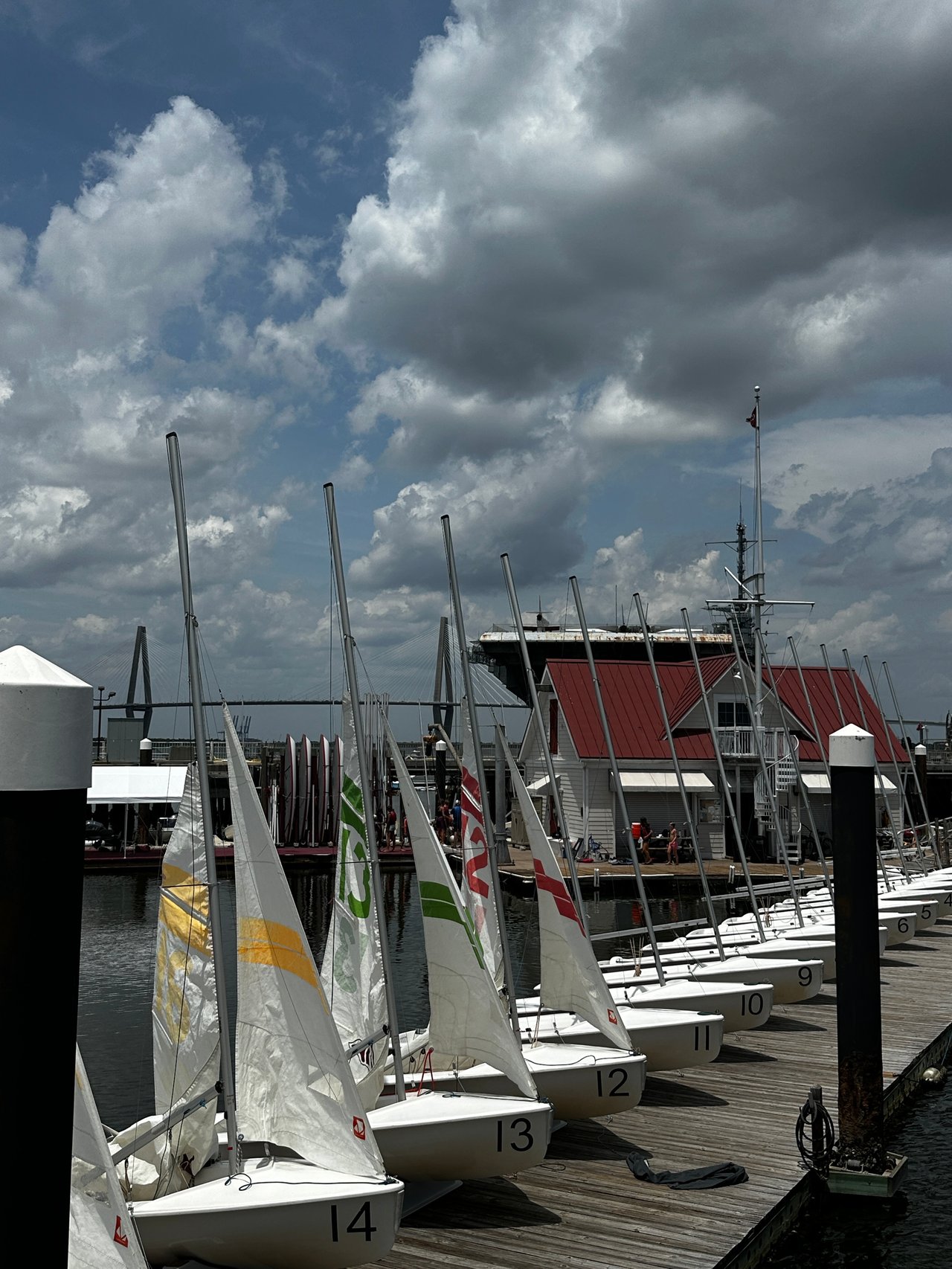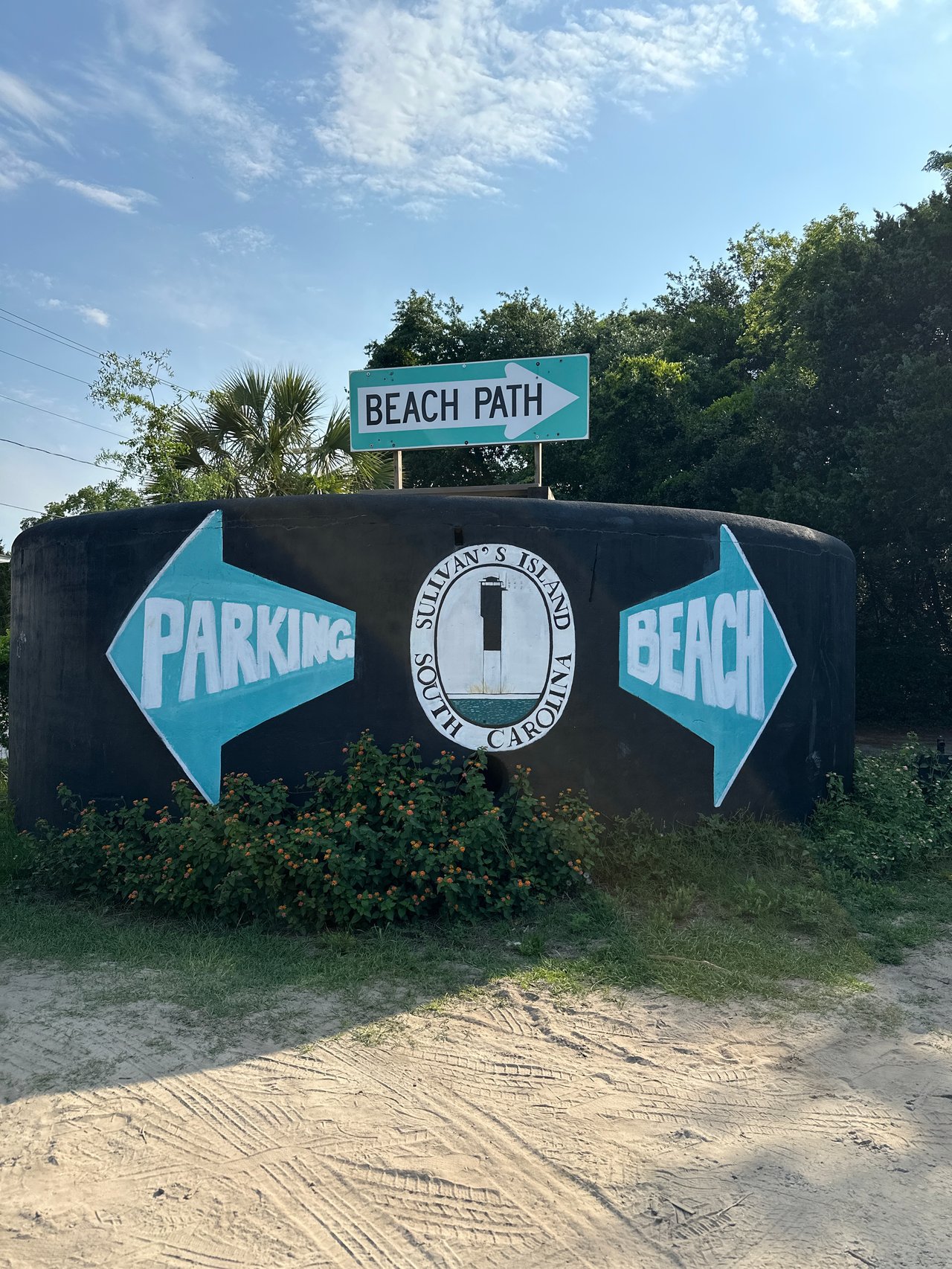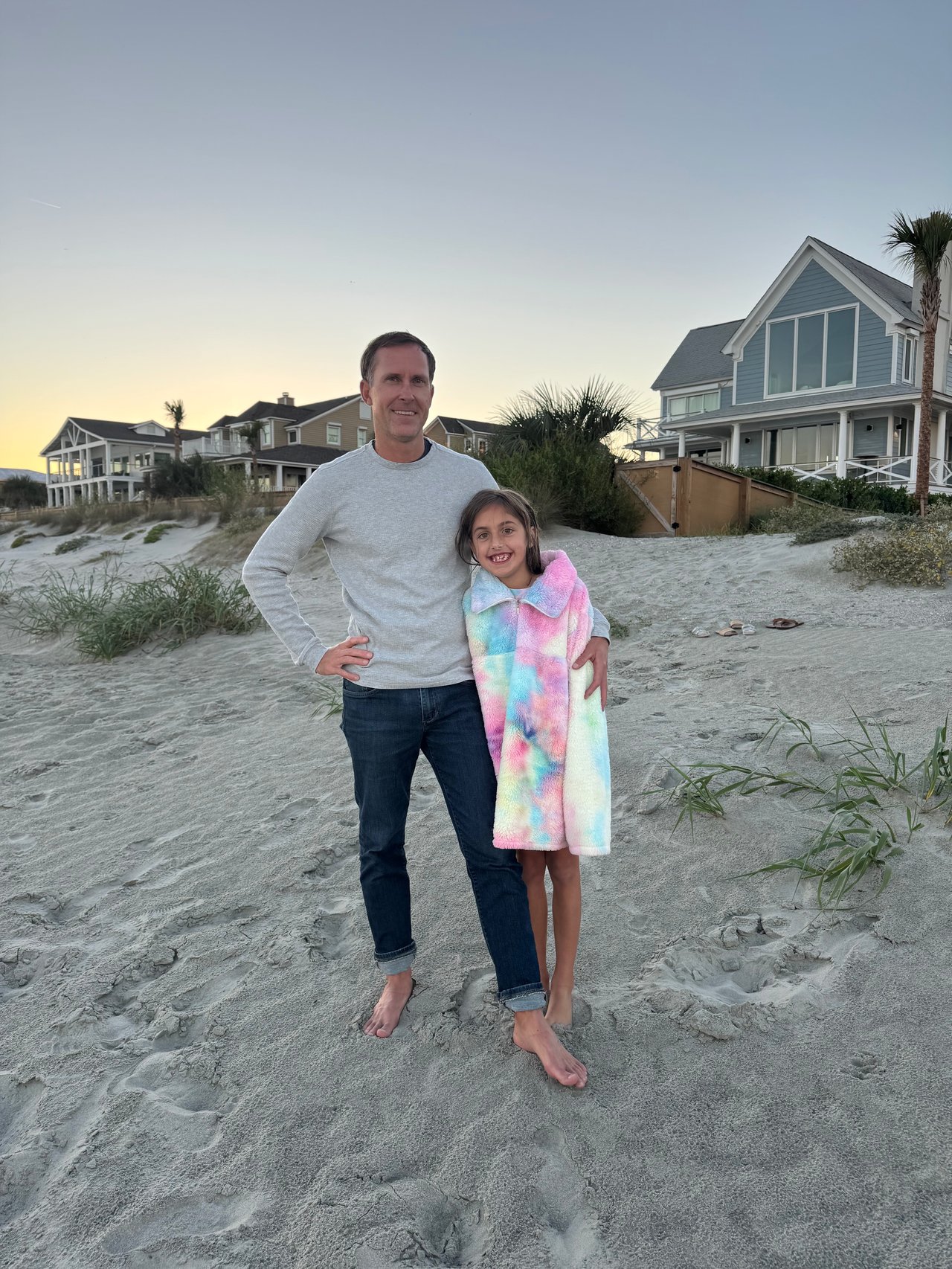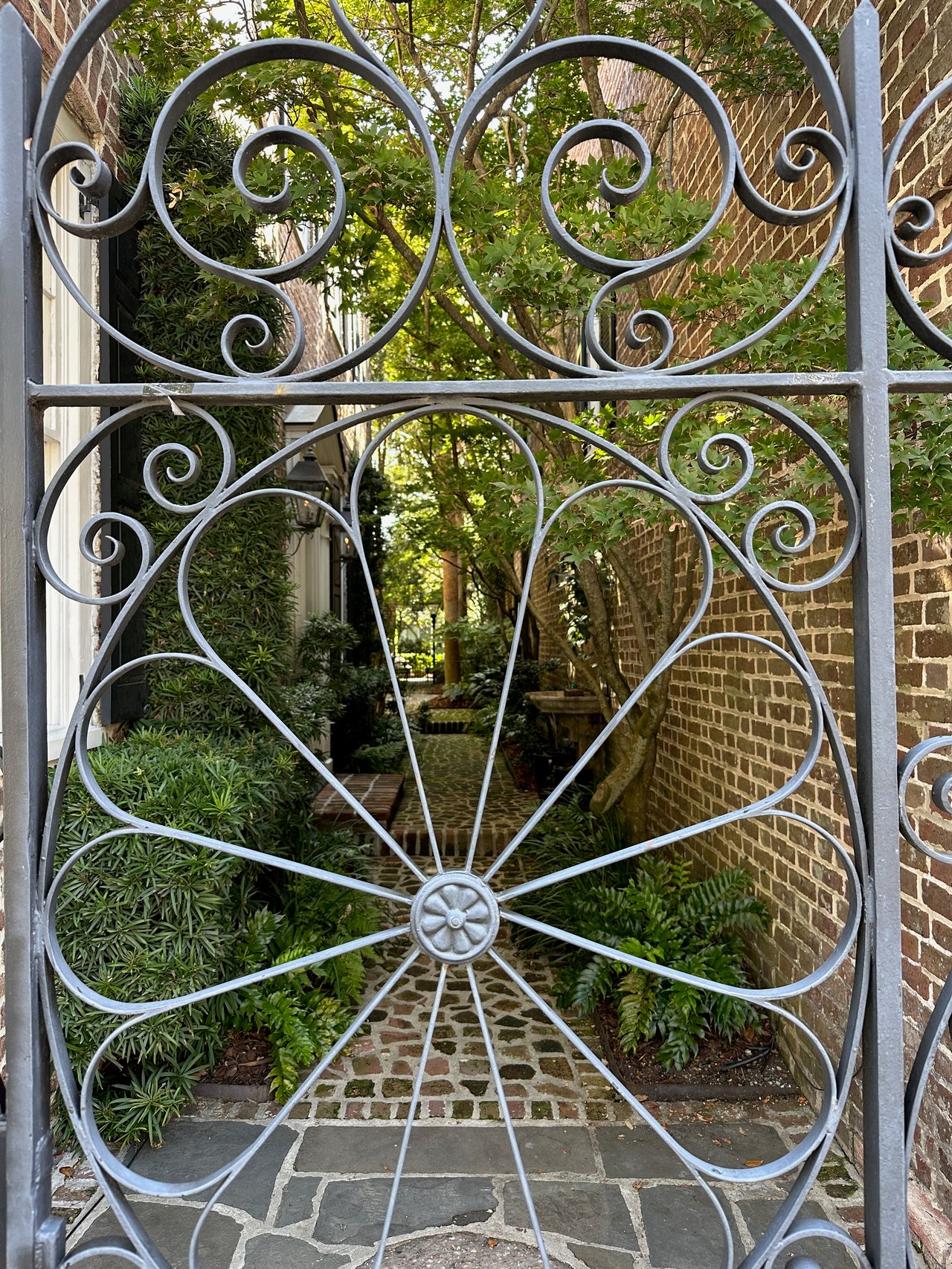
Ask anyone who's spent time on Charleston Harbor and they'll tell you the same thing: this city was built for sailing. The steady spring breeze, the tricky tidal currents that reward local knowledge, the short run out the channel to the open Atlantic — Charleston Harbor is a world-class racing venue, and the sailing community here knows it. As someone who sells the coastal lifestyle for a living, I think Charleston's sailing heritage is one of the most underappreciated parts of what makes living here special. So let's dig into it.
A Sailing Tradition That Predates the Regatta by Two Centuries
Charleston's relationship with competitive sailing is genuinely old. It started informally in the late 1700s, when oar-powered plantation boats carrying crops to market would race each other on the way into town — working craft turned into competition almost by instinct. By the late 1800s, those informal contests had become organized sailboat regattas between the city's early yacht clubs.
That heritage still stands today in the form of Charleston's historic yacht clubs. The Carolina Yacht Club is the city's oldest, and one of the oldest in the entire South — most sources date its founding to 1883, though the club's own history traces its roots even earlier, to a group of seven sailing enthusiasts in 1853. It has occupied the same East Bay Street location since 1907. The James Island Yacht Club followed in 1899, the Charleston Yacht Club in 1934, and the Hobcaw Yacht Club in 1962. And in a testament to how deep the tradition runs, the state's longest-running regatta is the Rockville Regatta, held on Bohicket Creek — a summer institution on Wadmalaw Island that's been drawing sailors for generations.
In 1967, the Charleston Ocean Racing Association (CORA) was formed to organize bigger, faster boats, and it still hosts year-round racing today — inshore and offshore, for keelboats generally 24 feet and up. Because the Lowcountry's weather is so mild, sailing here is genuinely a year-round sport; CORA even runs "Frostbite" regattas in January and February for sailors who don't mind a little cold with their competition.
Charleston Race Week: The Crown Jewel
If Charleston's sailing history is the foundation, Charleston Race Week at Patriots Point is the headline event that put the city on the international sailing map. And its origin story is pure Charleston.
The regatta began in 1996 as an idea reportedly scribbled on a cocktail napkin, starting with just 29 boats. It has since grown into what's widely described as the largest keelboat regatta in the Western Hemisphere and one of the most iconic sailboat racing events in the world. In April 2026, Charleston Race Week celebrated its 30th anniversary, held April 16–19 and headquartered aboard the historic USS Yorktown at the Patriots Point Naval & Maritime Museum in Mount Pleasant.
The scale is remarkable. The 2026 edition drew 153 boats competing across numerous classes — J/70s, J/22s, J/24s, J/105s, Melges 24s, VX Ones, and more — with champions crowned in 14 classes. In a typical year it attracts a couple hundred boats and sailors from around the world, with international competitors regularly traveling from Italy, the United Kingdom, Germany, Brazil, and Argentina. Event director Randy Draftz has attributed its enduring, worldwide reputation to a combination of high-caliber racing, top-notch on-water management, and Charleston simply being a destination city people want to visit. The regatta bills itself, fittingly, as "A Regatta Unlike Any Other."
What makes the racing itself special is the harbor. Charleston Harbor delivers consistent wind and famously tricky currents on the inshore courses — the kind of conditions where local knowledge genuinely wins races — while offering a short trip out the channel to the Atlantic for longer offshore-style courses.
2026: A Milestone Year with an International First
The 30th anniversary carried extra weight because Charleston Race Week was selected to host the inaugural ORC Sportboat North American Championship — a premier international title on the Offshore Racing Congress calendar. Organizers called it a "regatta within a regatta," and it was significant enough that Race Week expanded to a fourth day just to accommodate it.
The championship brought together 18 high-performance sportboats — Cape 31s, Melges 32s, Farr 30s, and others — split into two classes, and opened with a demanding distance race of roughly 16 to 23 miles touring the Ashley and Cooper Rivers inside Charleston Harbor. As one ORC official put it, "offshore" is in the name, so the championship had to test real navigation, strategy, and seamanship — not just short windward-leeward sprints. It was a fitting way to mark 30 years, and it signaled that Charleston's standing in the international sailing world is still growing.
More Than a Race Calendar — A Collegiate Powerhouse, Too
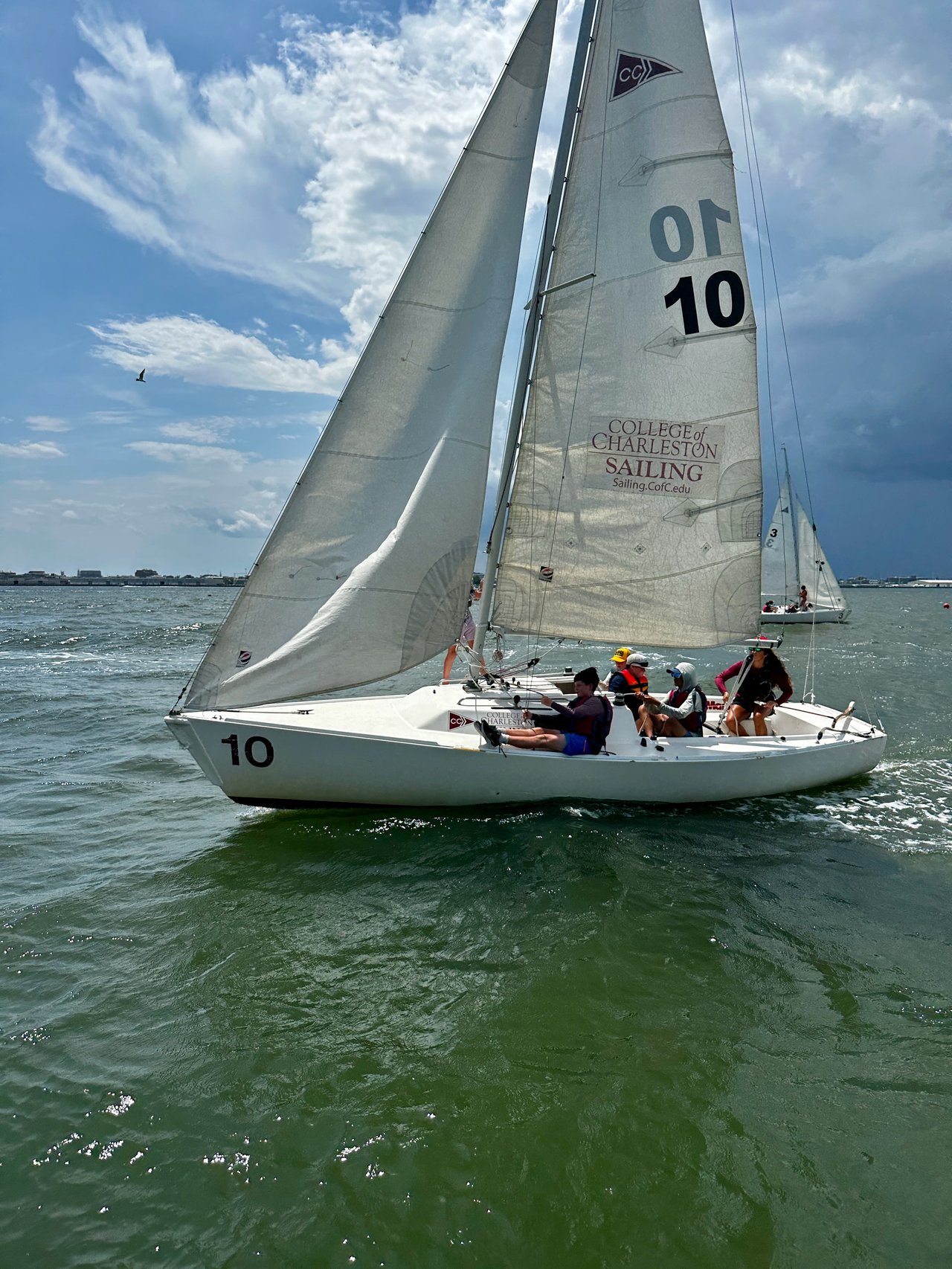
Charleston's sailing culture isn't only about weekend regattas and visiting pros. The College of Charleston sailing team is one of the most successful collegiate programs in the entire country, consistently ranked among the nation's top-20 collegiate teams and the winner of numerous national championships across coed, women's, team-racing, and single-handed disciplines. They train right here on the Cooper River. That kind of sustained, top-tier program doesn't grow just anywhere — it grows where sailing is woven into the identity of the place.
What This Means If You're Thinking About Living Here
Here's where my day job comes in. When people ask me about the "Charleston lifestyle," sailing is one of the clearest examples of what they're really buying into — a place where you can keep a boat within minutes of your front door, join a yacht club with more than a century of history, race competitively year-round, or simply watch a fleet of 150 boats fill the harbor on an April weekend.
And that lifestyle is very much tied to where you buy. If being close to the water and the sailing scene matters to you, certain areas make far more sense than others:
- Mount Pleasant puts you right at Patriots Point and the heart of Race Week, with easy harbor and marina access.
- Downtown Charleston / the peninsula keeps you near the historic Carolina Yacht Club and City Marina, with quick access to the harbor itself.
- James Island offers proximity to the James Island Yacht Club and quieter creek access, often at a friendlier price point than the peninsula.
- Wadmalaw and Johns Island put you near Bohicket Creek and the Rockville tradition, if you want a more rural, tucked-away waterfront life.
Each of these comes with very different price points, commute realities, and day-to-day tradeoffs — and if you're a sailor (or aspiring to be one), the right neighborhood is the one that gets you on the water with the least friction. That's exactly the kind of thing I love helping people think through, because I know both the market and the water.
If Charleston's sailing lifestyle is part of what's pulling you toward a move here — whether you want to be walking distance from a yacht club or just want deep-water access for your own boat — reach out. I'd be glad to help you find the spot where the best of Charleston's coastal life is right outside your door.
Article written by:
Dustin Guthrie
(843) 697-7757
[email protected]