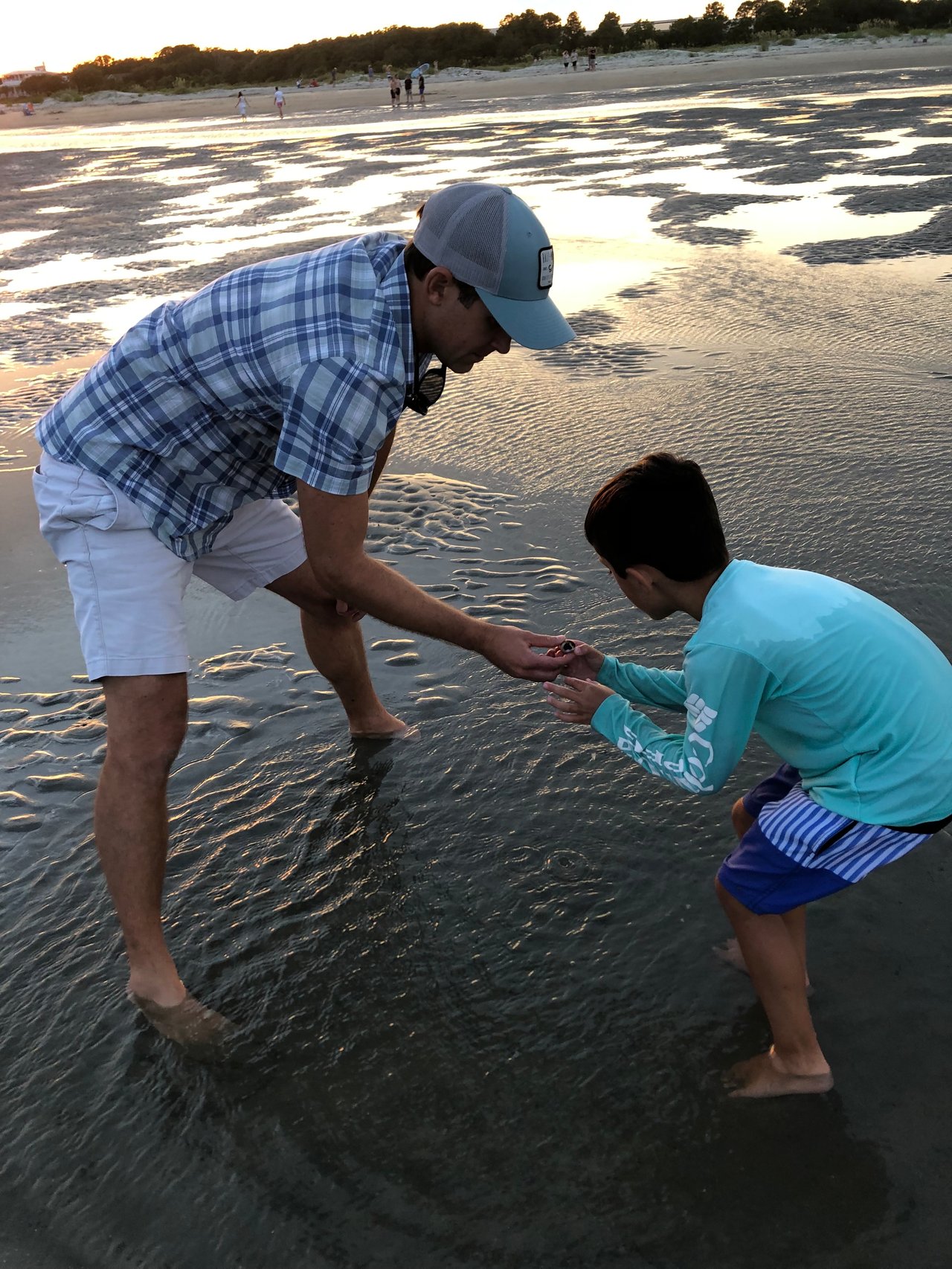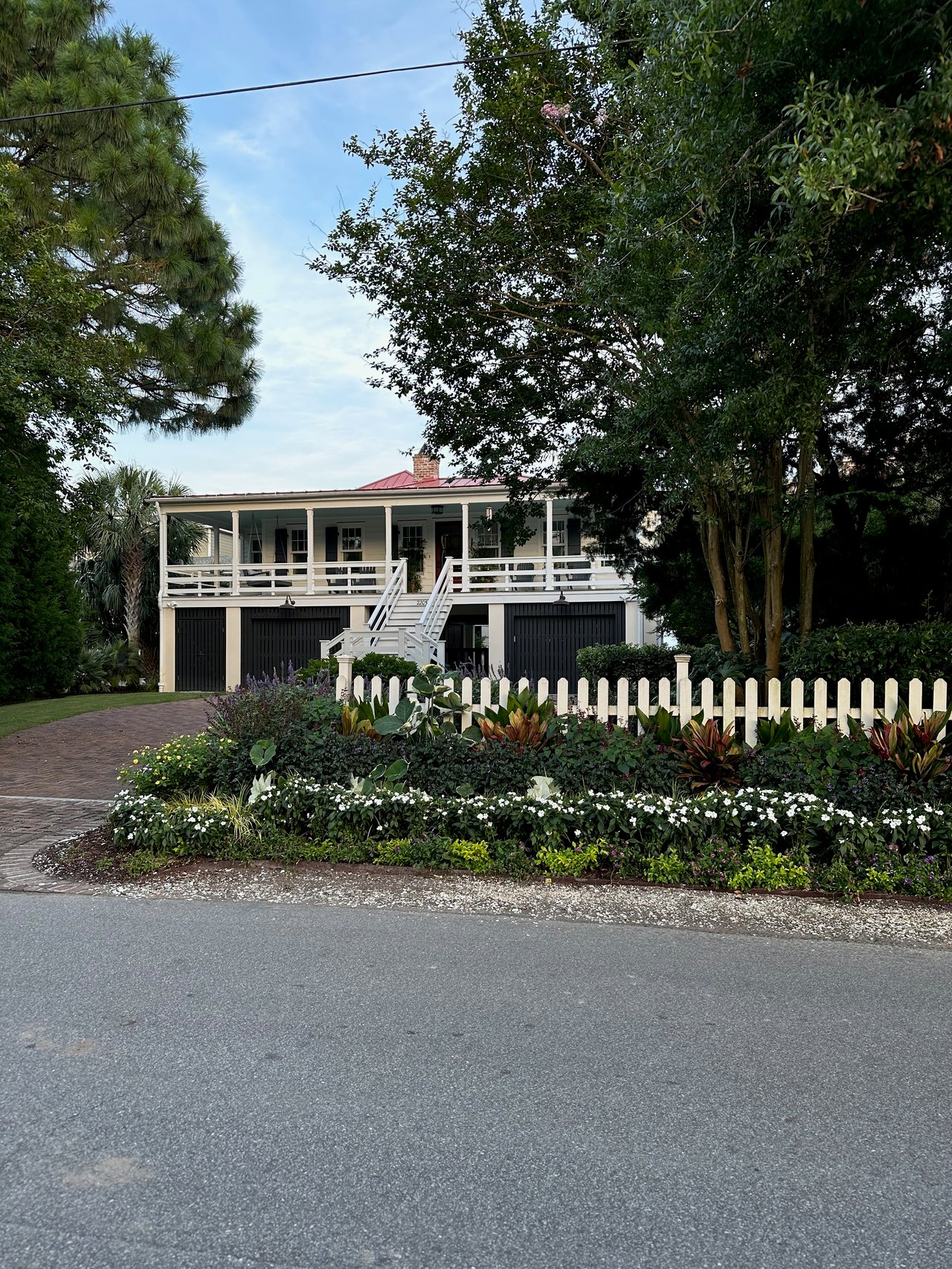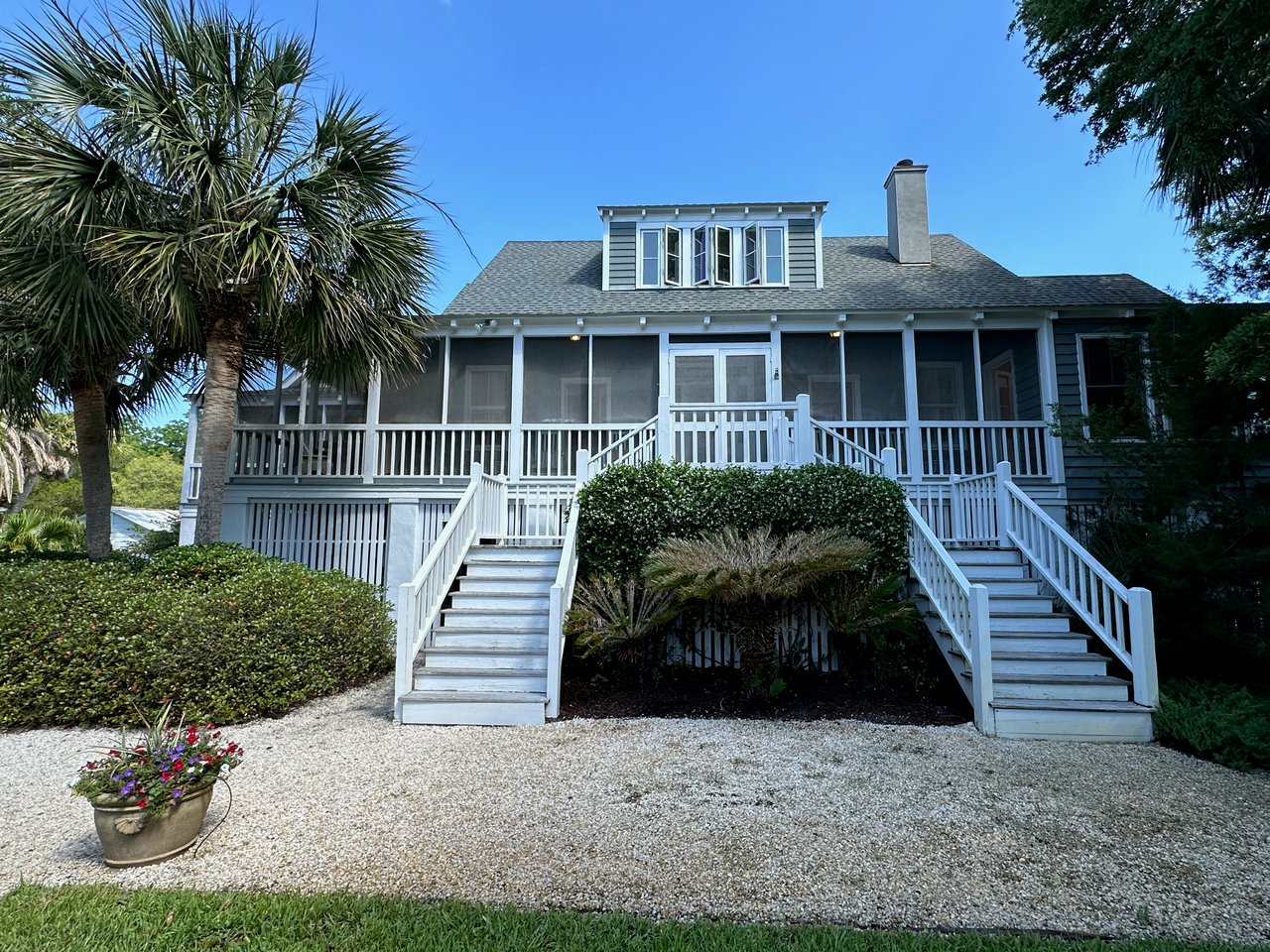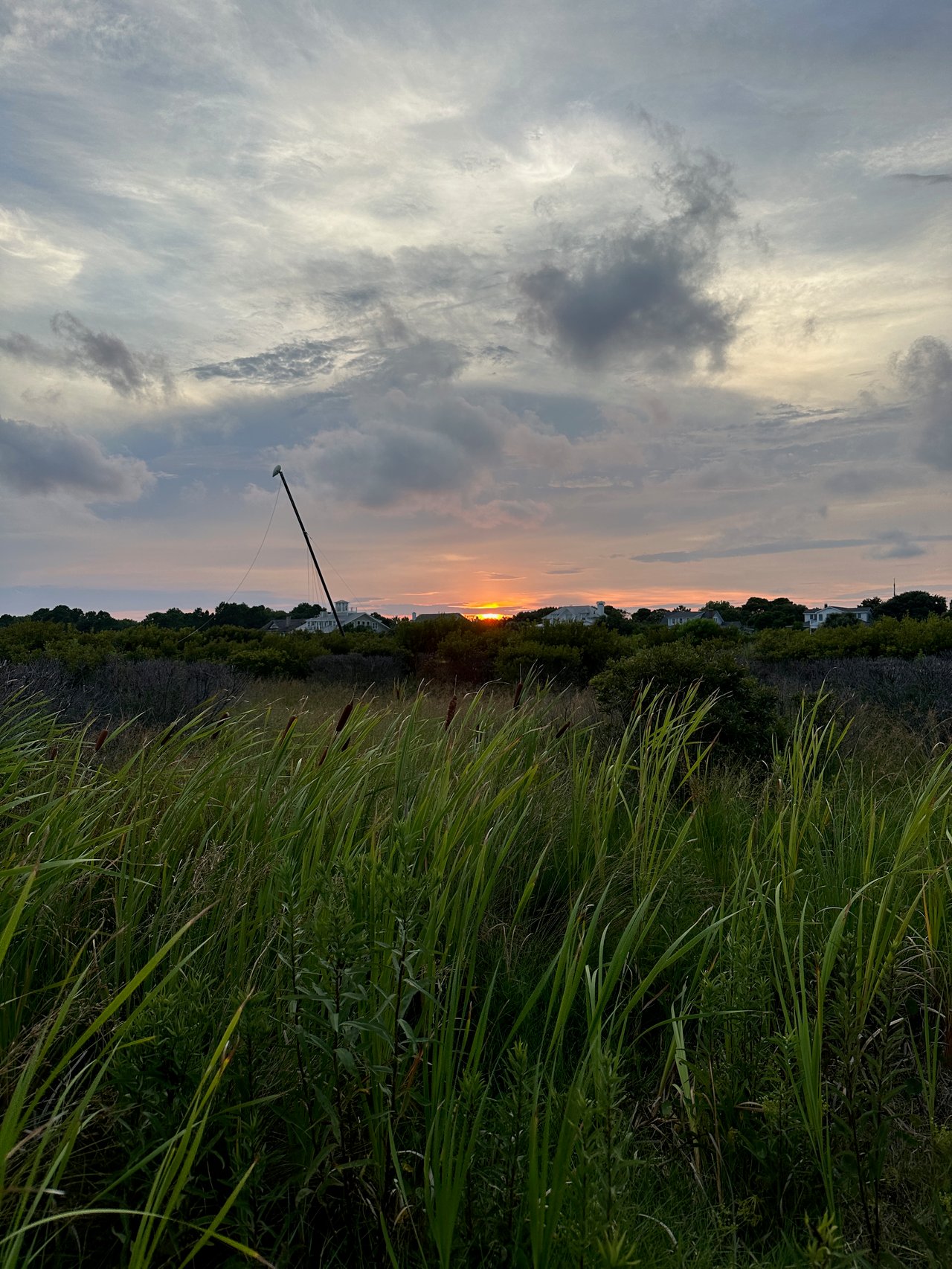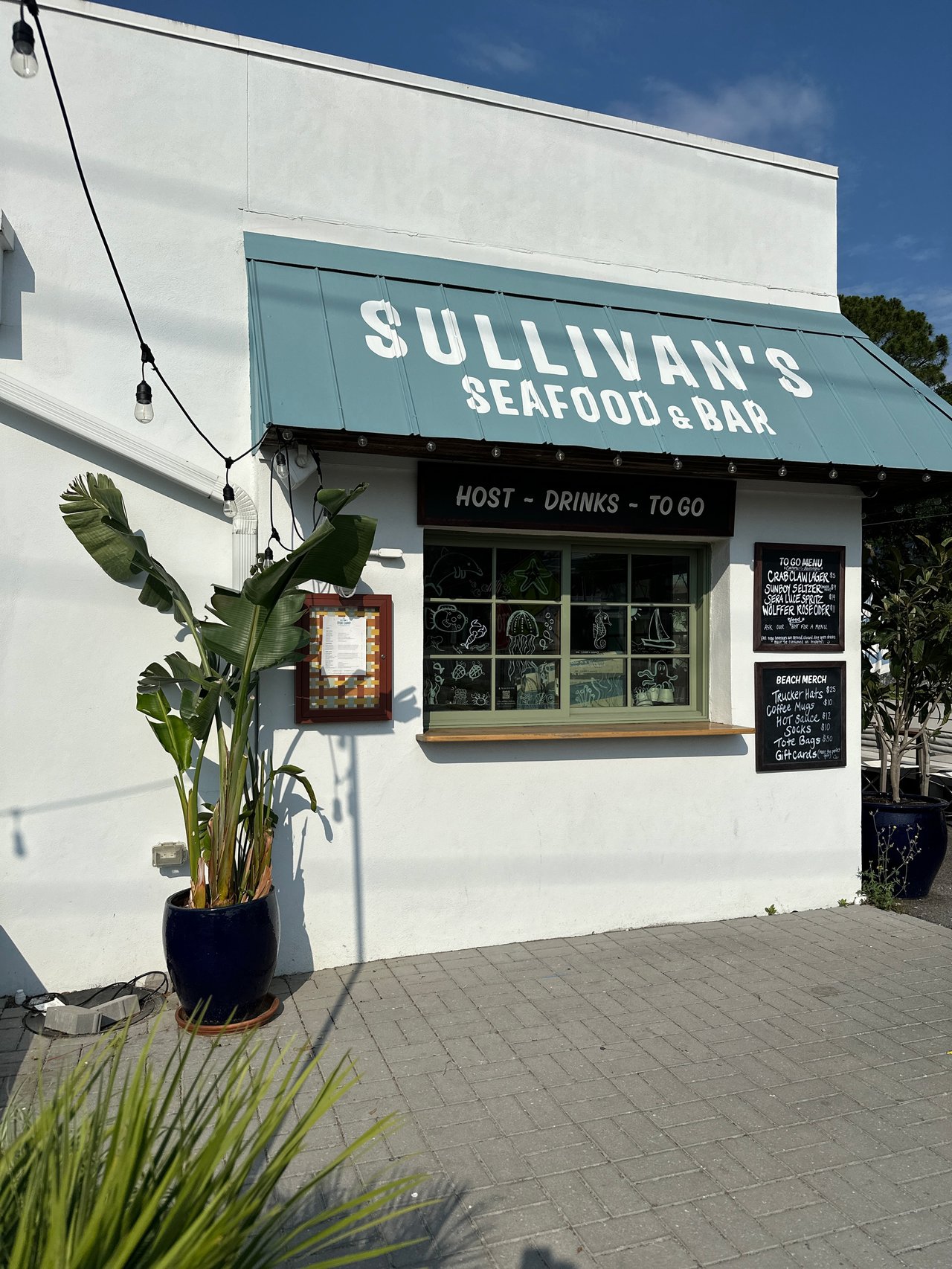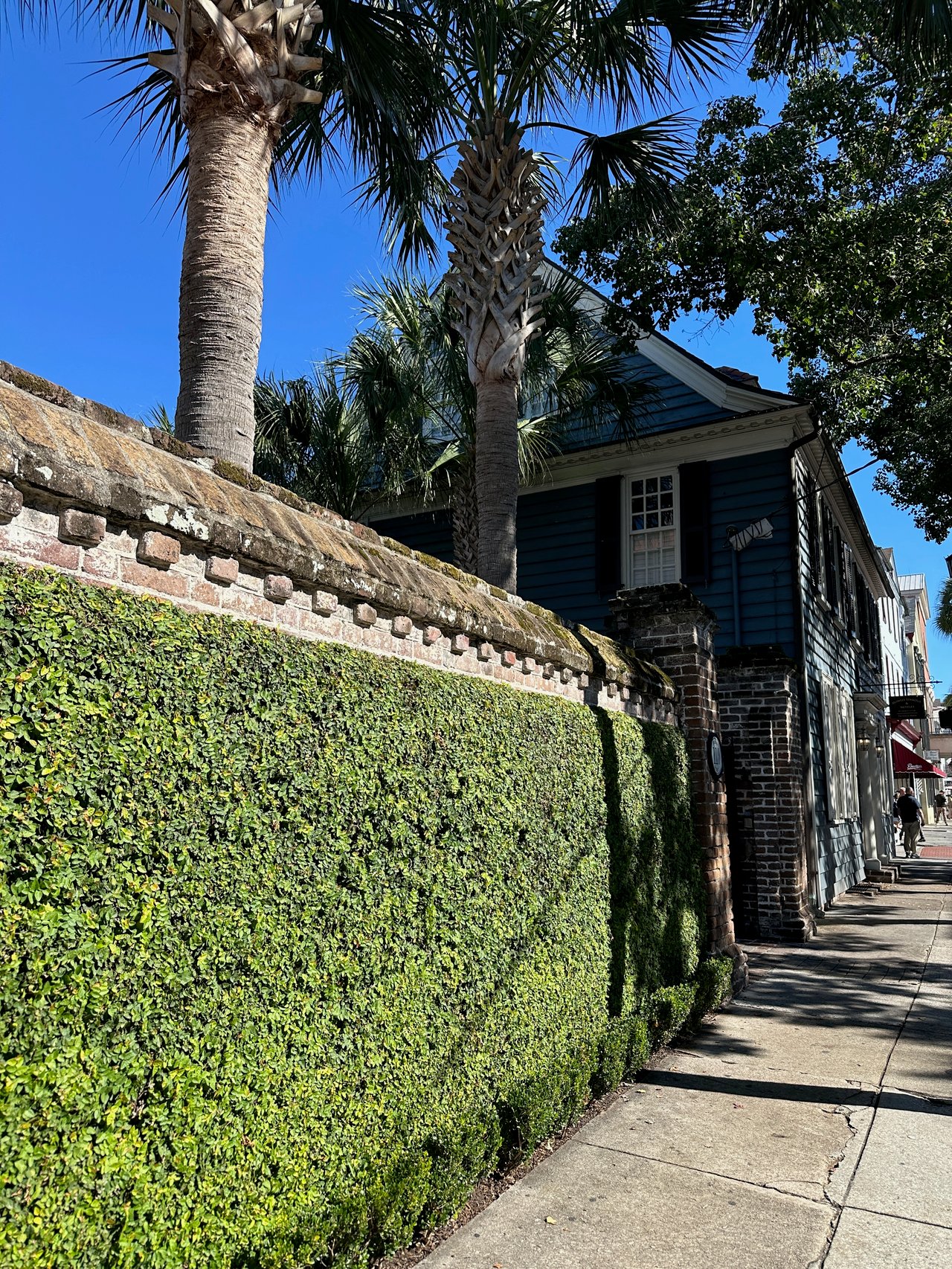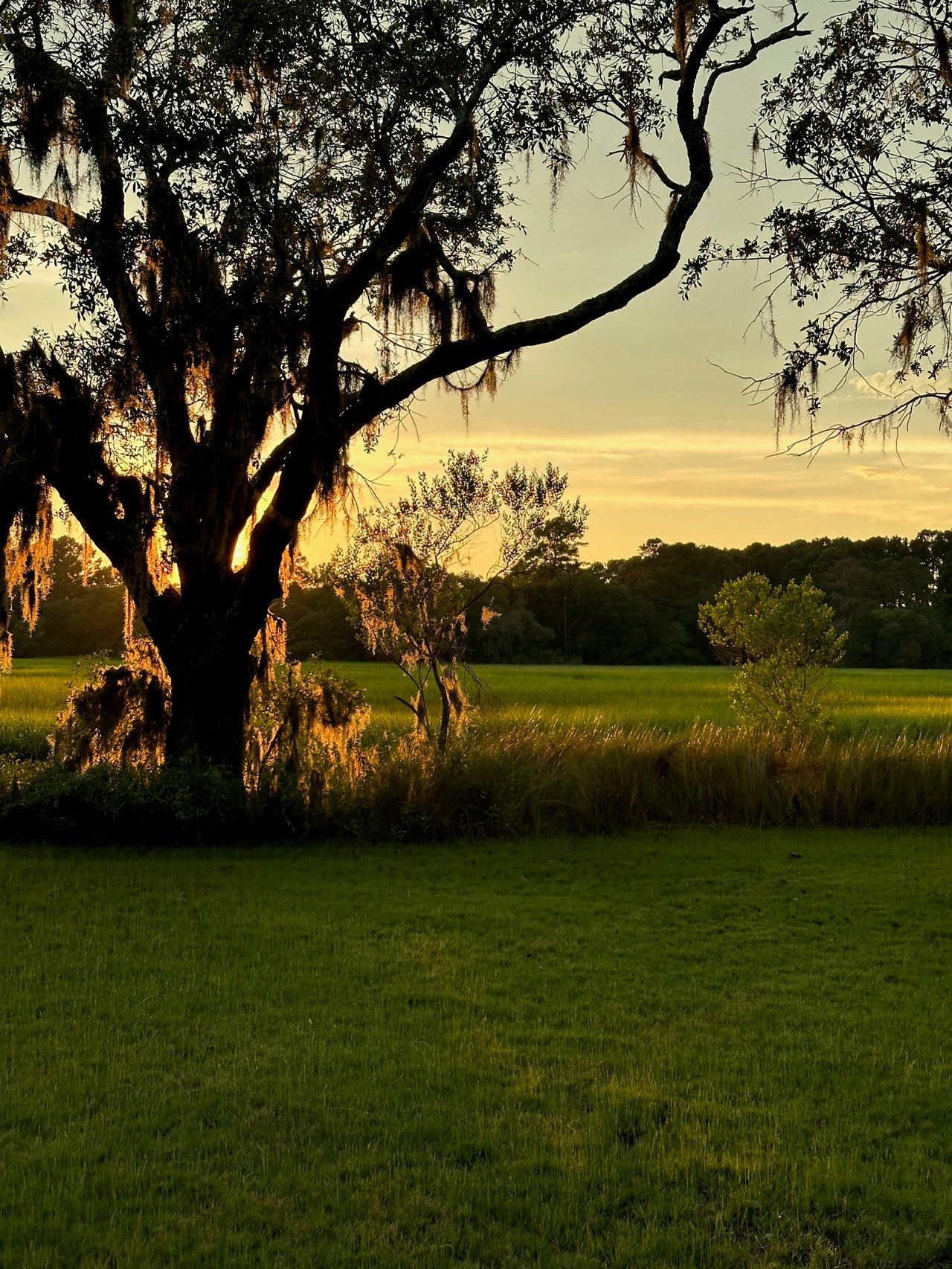
Come out on a Thursday evening in late September.
Park once — you won't need the car again. The light goes gold around seven, and the whole island seems to drift toward the water. Somebody's pushing a cooler in a wagon. A golf cart rolls past with three kids and a wet dog in the back. A couple walks up Middle Street carrying a bottle of wine to somebody's porch, and nobody's wearing shoes that weren't flip-flops an hour ago.
You'll smell the marsh before you see it. That low, green, briny smell that people who grew up here will tell you is the smell of home.
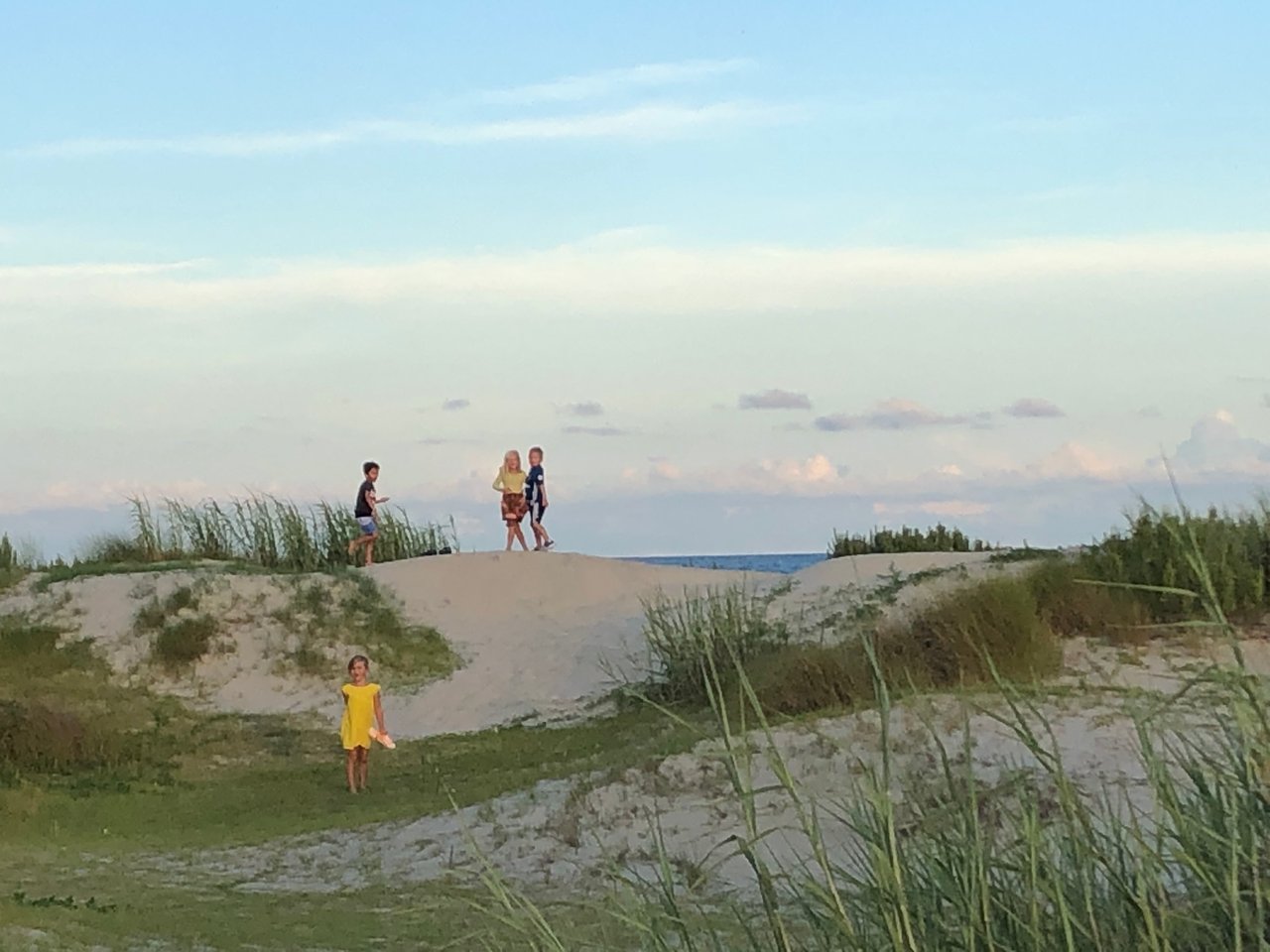
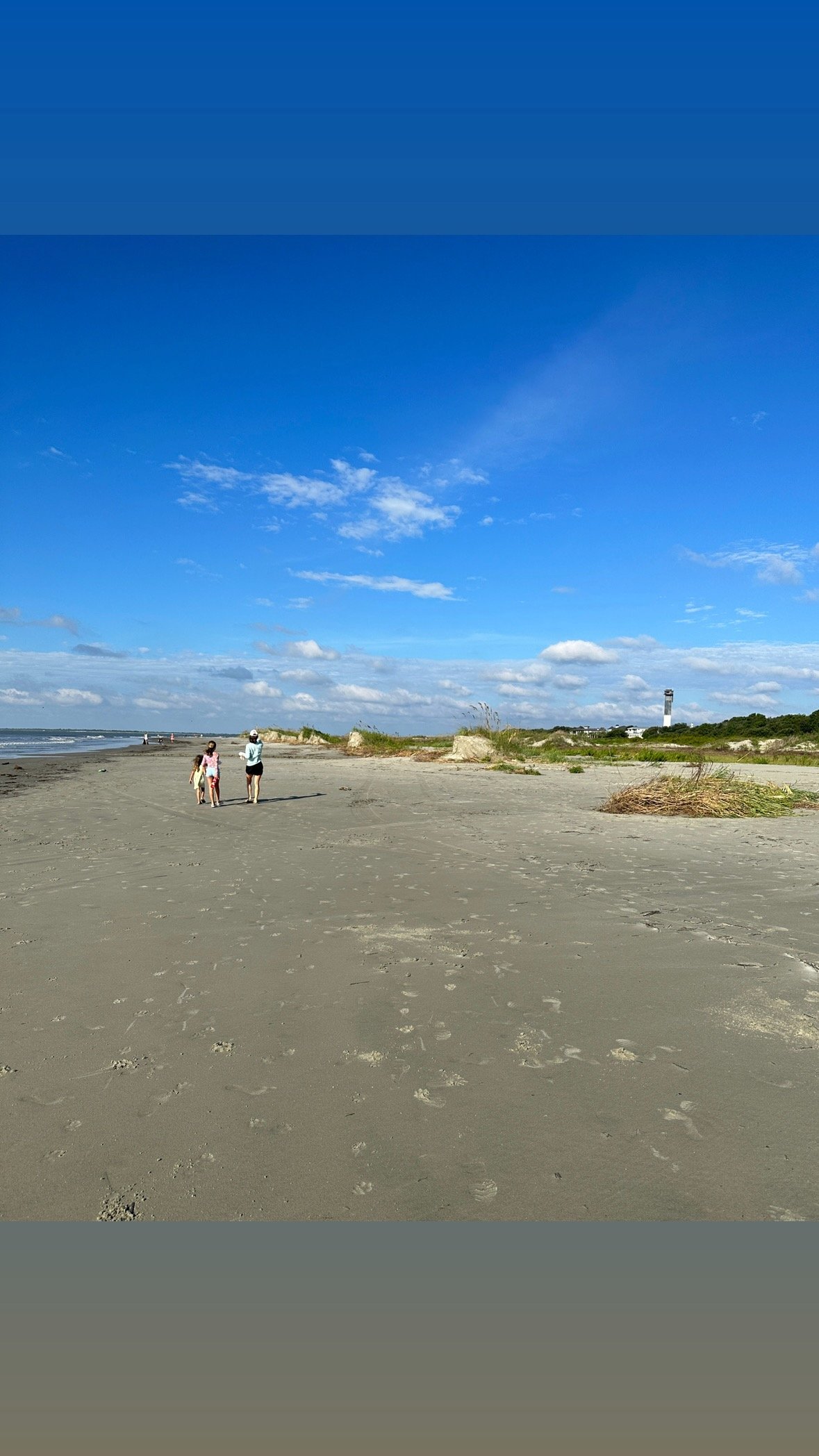
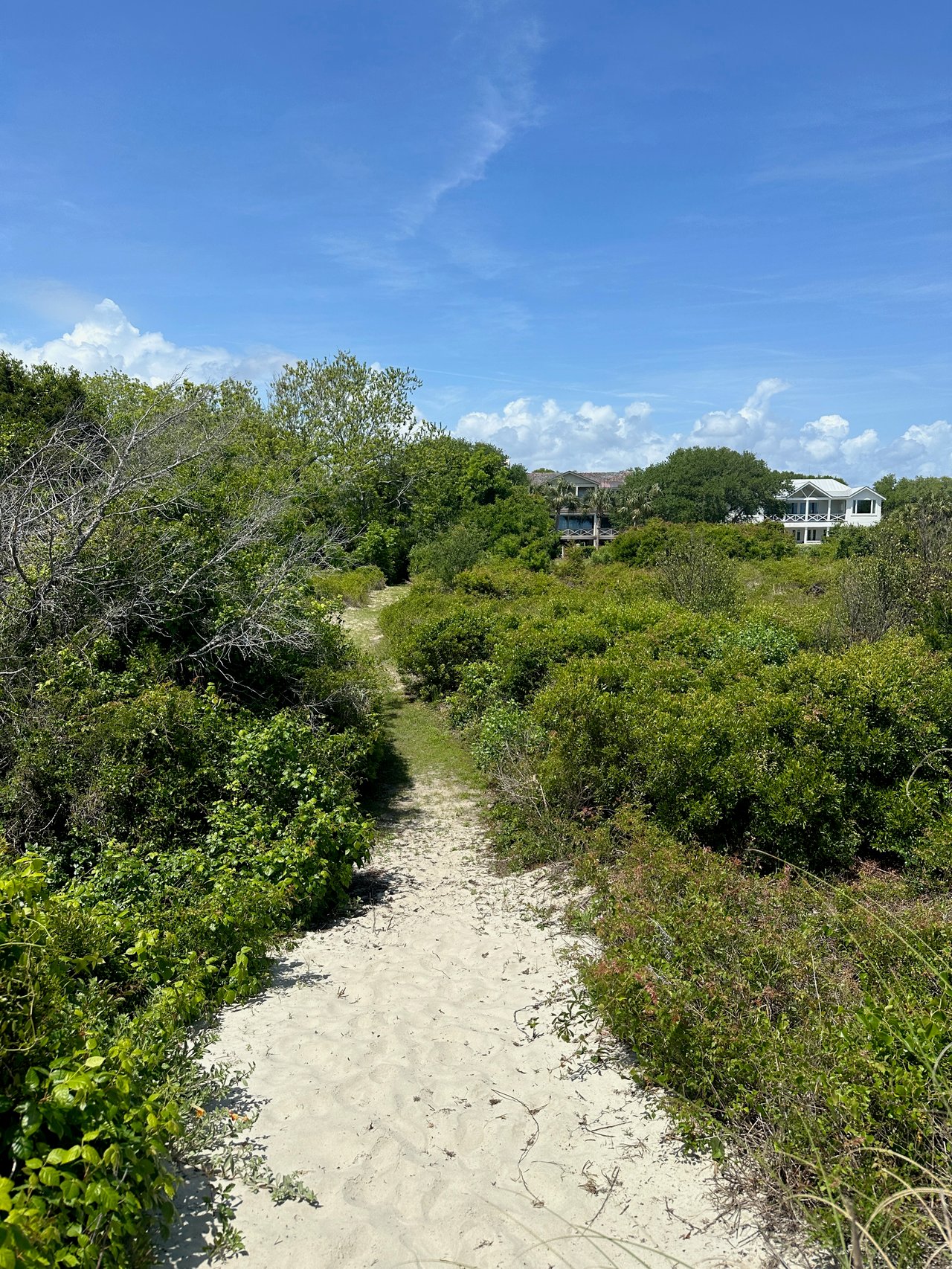
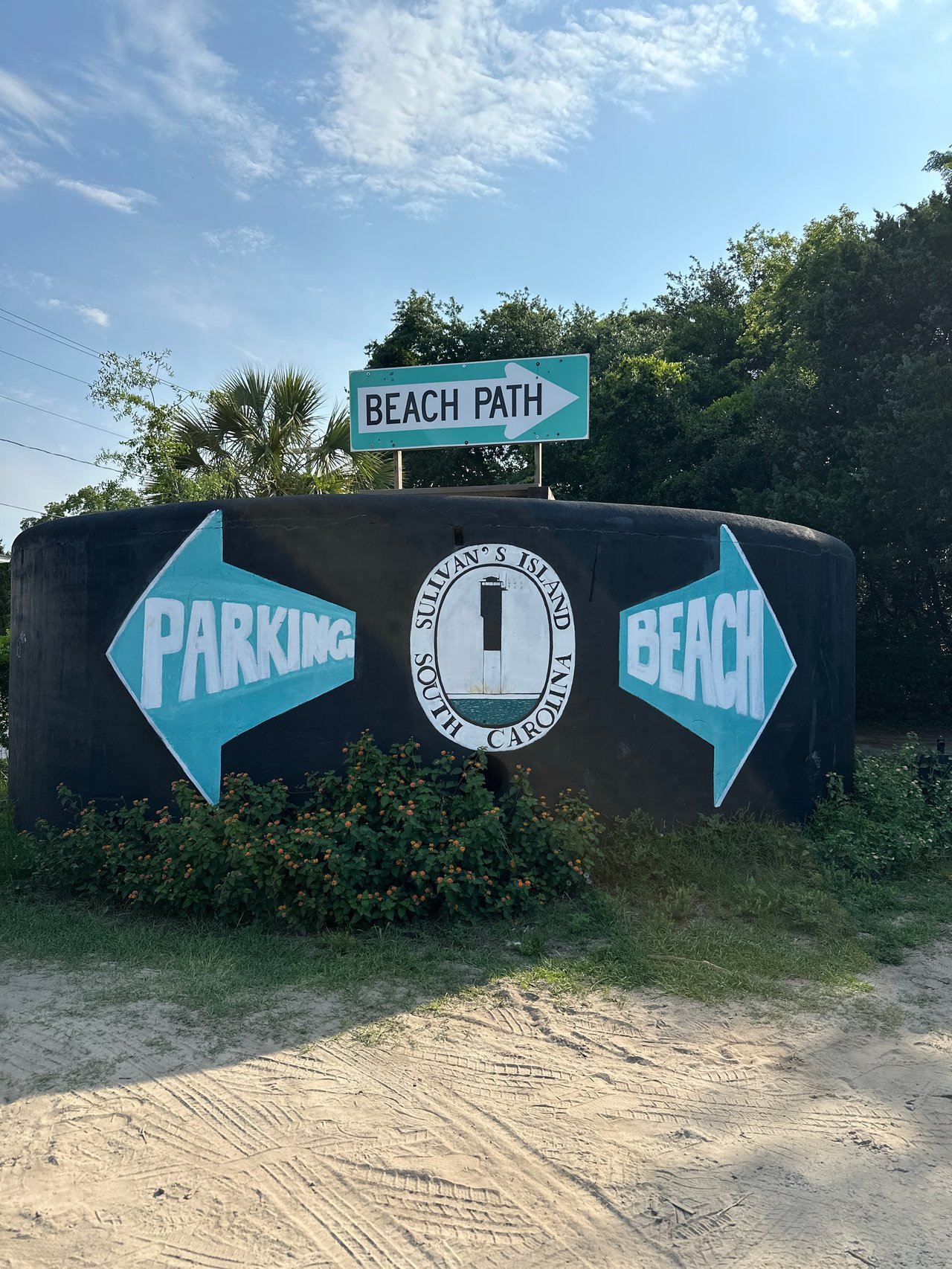
Walk toward the beach and the sand does something you don't expect if you've only known hard-packed Atlantic coastline. It's soft and fine and a little cool by evening, and it goes on much wider than it has any right to. You walk between dunes on a sandy path, and then you're on it, and there's nothing in front of you. No boardwalk. No condo towers. No one renting jet skis or selling airbrushed T-shirts. A few people with folding chairs. Someone throwing a tennis ball into the surf.
That's the whole answer to why Sullivan's Island is expensive. Everything below is just the explanation.
The short version
A typical home sale here ran close to $3.9 million in September 2026. Across the greater Charleston tri-county region that same month, the median was about $430,000.
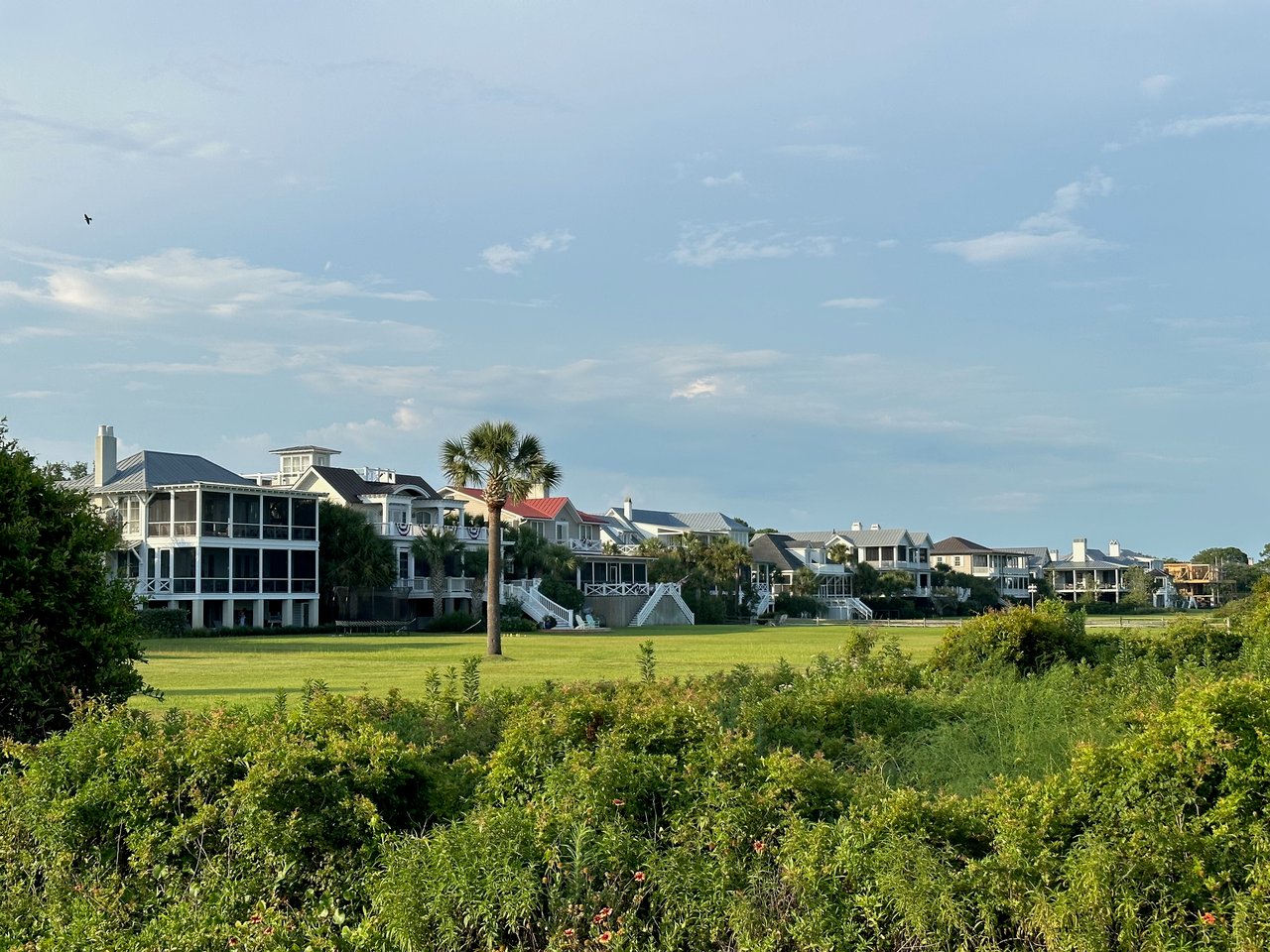
You are not paying nine times the regional median for drywall and fixtures. Plenty of the houses are modest — 1920s cottages with heart pine floors and porches that sag a little.
You're paying for a way of life that is small, quiet, genuinely hard to find anywhere on the American East Coast, and — this is the part that matters — legally protected from becoming anything else.
The beach you can actually walk onto
Most of the island's beach is wide, soft, and unhurried. At several points the shoreline has built outward over the last century rather than washing away, so there's real distance between the houses and the water.
What's not there is as important as what is. No high-rises. No commercial boardwalk. No amusement pier. No row of rental shops. You reach the beach by walking down a sandy path between the dunes at the end of your street, and the path is probably a two-minute walk from wherever you're staying, because the island is only about three and a half miles long and a few blocks deep.
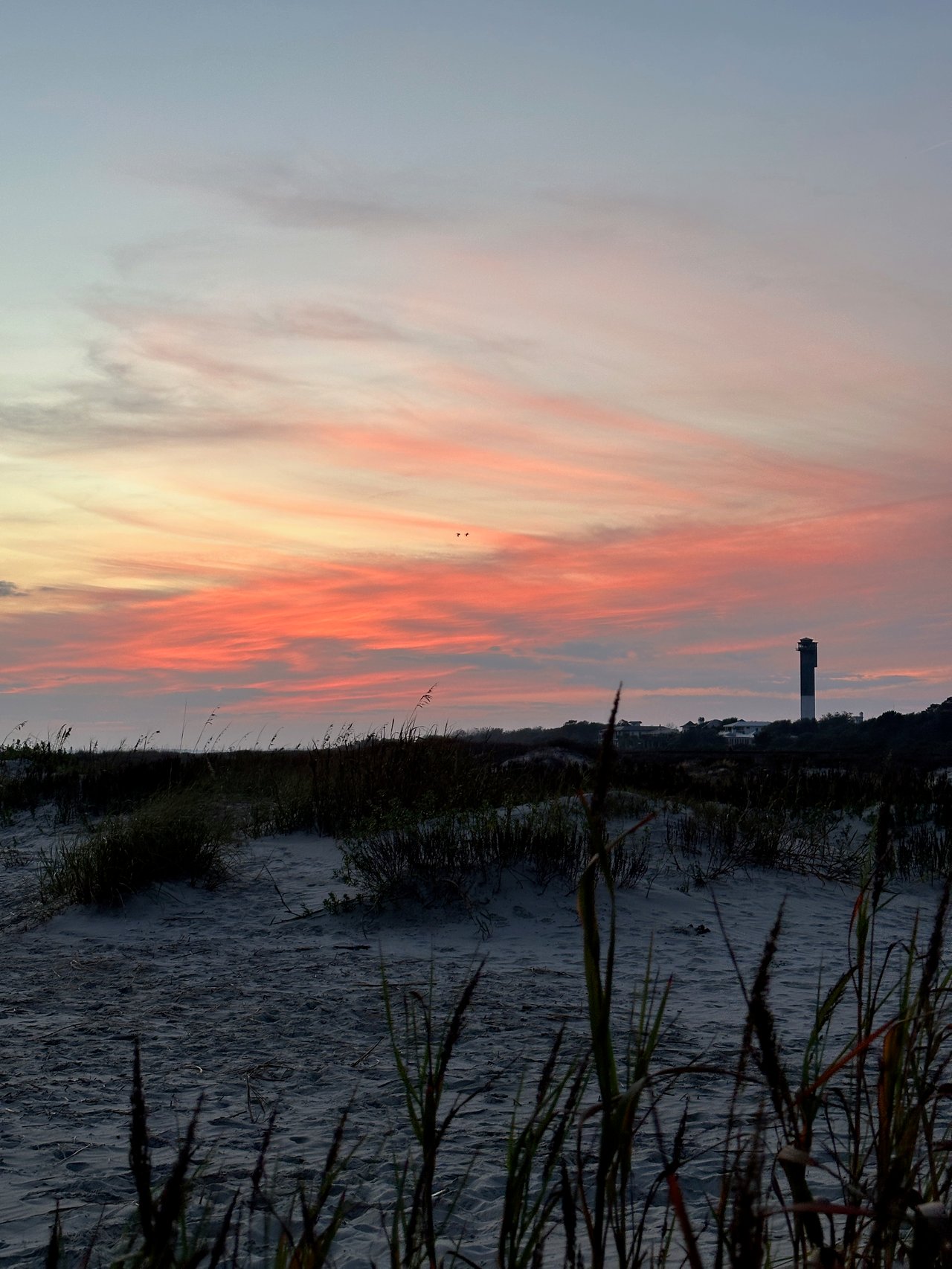
Because the beach faces southeast, you get something unusual: you can watch the sun come up out of the Atlantic in the morning and watch it go down over the marsh creeks behind you in the evening. Same day, same island, ten-minute walk between them. The back side of the island — the Intracoastal side — is where the real sunsets happen, over tidal grass that turns copper and then violet. From the western end, the sun drops behind Charleston Harbor with Fort Sumter sitting out in the middle of it.
People here plan around that. It's completely normal to hear someone say they'll meet you after sunset.
"Town" is about three blocks long
The entire commercial district of Sullivan's Island is a short stretch of Middle Street — essentially a few blocks. That's it. That's the whole downtown.
What's remarkable is how good it is for its size:
Poe's Tavern is the one everybody knows. Half-pound burgers named after Edgar Allan Poe stories — the Tell-Tale Heart, the Pit & Pendulum — because Poe was actually stationed at Fort Moultrie here as a young soldier. Get there early if you want the porch.
The Obstinate Daughter is the island's serious restaurant, doing Southern cooking with French, Italian, and Spanish influence, and it draws people out from downtown Charleston on purpose. BeardCat's Sweet Shop is next downstairs for gelato afterward.
Dunleavy's Pub is the neighborhood bar — picnic tables, Irish beer, wings, dogs tied to the railing. Home Team BBQ has a covered porch, live music, and the TVs on when there's a game. Mex 1 Coastal Cantina does Baja-style food and infused tequila. The Longboard does poke bowls and coastal cocktails for the days you overdid it. Republic Ice Cream handles the kids. High Thyme is the come-as-you-are dinner spot.
And out at the far end, The Boathouse at Breach Inlet puts you on the water where the Intracoastal meets the ocean, with a rooftop bar and some of the best sunset seats on the island.
That's a legitimately excellent restaurant scene for a town with roughly a thousand homes in it. You can walk to all of it.
Why everything is called "Station"
New arrivals always ask about the addresses. Station 18 Street. Station 22. Station 28½.
From 1898 until 1927, an electric trolley ran from the ferry landing in Mount Pleasant, across a trestle, down Middle Street, and over Breach Inlet to the Isle of Palms. The stops were numbered in order — Station 1 at the Mount Pleasant wharf, climbing up through the twenties and thirties as you moved northeast along the island.
The trolley's been gone for nearly a century. The stop numbers stayed, and they're still how everyone navigates. "We're at Station 22" means something precise to anybody who lives here.
Small thing. But it tells you what kind of place this is — one where a hundred-year-old habit just quietly survives because nobody saw a reason to change it.
The traditions
New Year's Day at Dunleavy's. Every January 1st, somewhere around a thousand people run into a freezing Atlantic Ocean in costume for the Polar Plunge, which benefits Special Olympics South Carolina. It started when the pub's founder jumped in with a few friends. It's now one of the great Lowcountry traditions, and it has raised a substantial amount of money over the years.
The Fourth of July on a small barrier island with no hotels is a very different experience than the Fourth on a commercial beach. It's porches and neighbors.
Shrimping, crabbing, and the tide chart. People here organize their weekends around water levels the way people elsewhere organize around traffic.
The thing nobody says out loud
Sullivan's Island has long had a quiet reputation as a place where people who could afford to live absolutely anywhere choose to live here instead — including, over the years, names you would recognize.
What makes that work isn't security gates. There aren't any. It's a culture of not making a fuss. Nobody takes pictures. Nobody points. The person behind you in line at the market is just the person behind you in line.
That's the actual luxury product here, and it's why discretion-minded buyers pay what they pay. Exclusivity on Sullivan's Island isn't a velvet rope. It's the collective agreement to leave each other alone.
History you live next to
You can't live here and not brush up against the past.
Fort Moultrie sits at the island's west end. The palmetto-log fort that stood on that spot in 1776 absorbed British cannon fire and held — which is why there's a palmetto tree on the South Carolina flag.
The lighthouse is the strangest and most charming thing on the island. Dedicated in 1962, it's triangular rather than round, built from steel girders and aluminum siding to take 125-mph winds. It's 162.5 feet tall, has a service elevator, and was the last major lighthouse built in the United States. It survived Hugo. Residents complained about its original orange-and-white paint, so it was repainted black and white.
And at Fort Moultrie there is the Bench by the Road. Between 1707 and 1799, quarantine stations operated on this island, used to hold enslaved Africans arriving by ship. Charleston was the entry point for nearly half of all captive Africans brought to North America. The memorial marks that history. It is a short walk from some of the most expensive real estate in the state, and I think anyone who buys here should go sit on it.
The island carries all of that at once — a Revolutionary fort, a Poe story, a brutal chapter of American history, and kids riding bikes to the ice cream shop. That layering is part of what makes it feel like somewhere rather than anywhere.
The rules that keep it this way
Here's what protects all of the above, and it's worth understanding before you fall in love:
There are no hotels. The town's land use plan says plainly that the island has protected itself from hotel development. There's no mechanism for a resort to appear.
There are almost no houses. Roughly 1,073 housing units exist on the entire island. A single subdivision in Summerville can hold more. The majority of the island's land is conservation and recreation, not housing.
One house per lot. Residential zoning generally permits a single detached home per lot. No duplexes, no condo towers, no cottage courts.
No short-term rentals. This is the big one. Sullivan's Island requires a minimum rental of 28 consecutive nights. The Town's own rental agreement states that renting for fewer than 28 nights is illegal. No weekend Airbnbs. No Saturday turnover. No bachelorette parties next door in June.
That last rule is why the island feels residential in July. It also means you can't buy here and rent it out to cover the payment — which removes investors from the buyer pool entirely and leaves only people who actually want to be here.
What it actually costs
Briefly, because you'll want to know:
The lowest-priced detached single-family home on the island right now is $2,350,000 — a 1920s two-bedroom on about half an acre. The most expensive active listing is $18.5 million. Most of what trades falls somewhere between $3 and $8 million.
If you see Sullivan's Island advertised starting in the $800,000s, read carefully. Those are fractional ownership shares, not houses.
Only about 35 homes sold on the entire island in the past year — roughly three a month. That's the whole market. Which also means that when the right house comes up, there may not be another one like it for a long while.
The honest part
A few things I tell every buyer before they get too far:
It's slower than the prices suggest. With only about 35 sales a year, inventory sits. Sellers here have recently been taking noticeably less than their original asking price. A well-prepared buyer has more room to negotiate than the listing prices imply.
You cannot rent your way out of a mistake. The 28-night minimum means no vacation rental income. The payment is the payment.
Carrying costs are real. Wind and flood insurance on a barrier island are a significant annual number, and if this will be a second home rather than your primary residence, South Carolina's property tax treatment changes meaningfully. Both are worth pricing out early rather than at the closing table. I've written separately about how Charleston property tax bills change when a home changes hands and what flood zones actually mean for a coastal property.
The island is small on purpose. No big grocery store. Limited parking. Everything closes early. For the right person that's the entire appeal. For the wrong person it's a 10-15min drive to Mount Pleasant every time you forget something.
So who actually belongs here?
In twenty years of living and now selling Charleston real estate, the people I've watched fall hardest for Sullivan's Island have a few things in common.
They want to walk, not drive. They'd rather have a 1930s beach cottage with character and the modern conveniences, than a new track build with a bonus room that looks like everything else on the block. They want their kids riding bikes to the beach the way kids did forty years ago. They value being left alone. And they're buying a place to be, not an asset to flip.
If that's you, there are maybe a thousand houses on earth that deliver it the way this island does, and they're all on the same three and a half miles of sand.
If you'd like to walk Middle Street, see the beach paths, and look at what's actually available, I'd be glad to show you around — including the parts that won't work for you. On a decision this size, you should hear both.
Article written by:
Dustin Guthrie, Realtor
(843) 697-7757
[email protected]