A City Built for Trade, Not Convenience
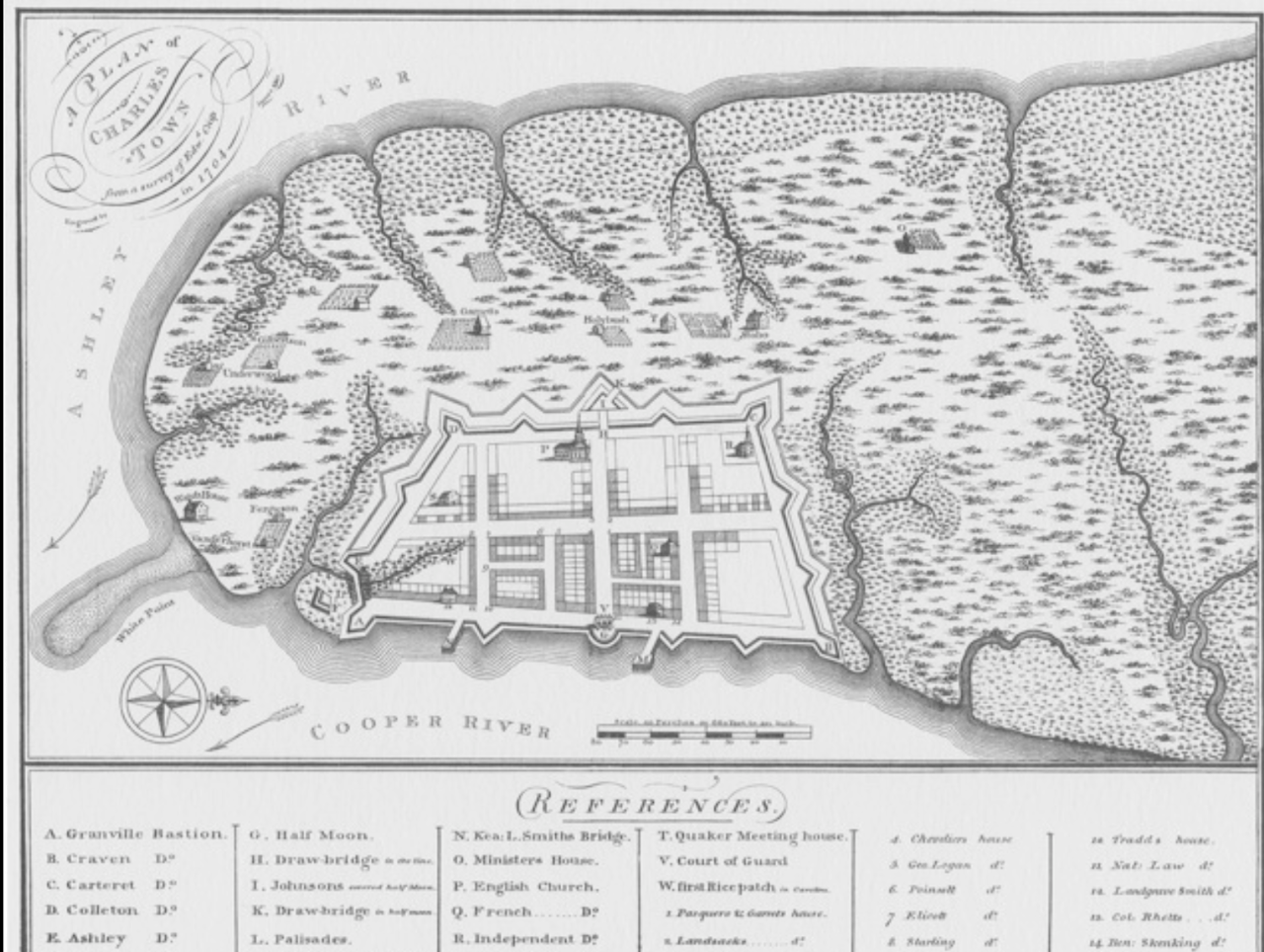
When Charleston was founded in the late 1600s, the priorities were clear: access to trade, protection from open ocean storms, and a deep natural harbor. The location between the Ashley and Cooper Rivers offered all three.
The harbor made Charleston one of the most important port cities in colonial America. Commerce thrived, wealth flowed in, and the city grew rapidly. The problem wasn’t obvious at first — because the benefits outweighed the drawbacks.
Its founders prioritized:
-
A deep natural harbor
-
Proximity to trade routes
-
Protection from open-ocean storms
Those decisions made Charleston wealthy and powerful — but also geographically vulnerable.
Marshland, Rivers, and Low Elevation
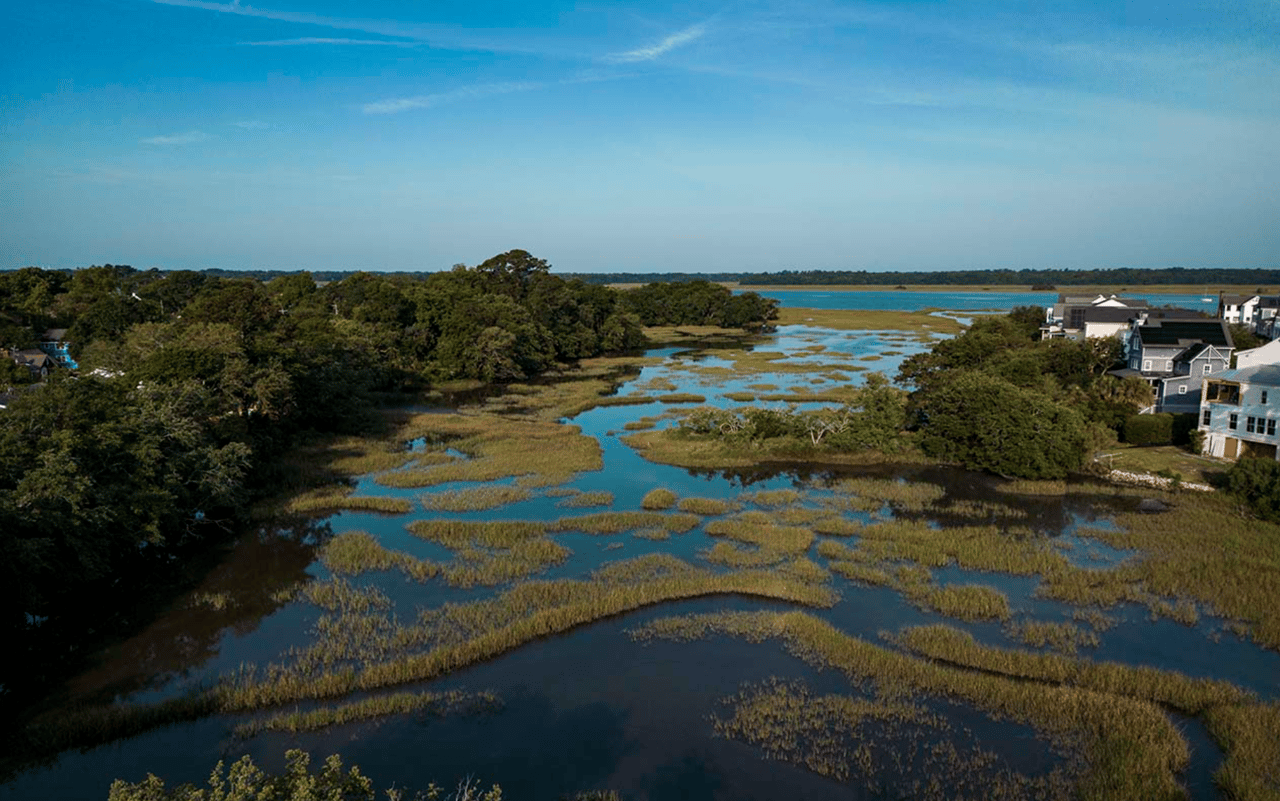
Much of Charleston was built on marshland that was later filled. This was common practice at the time and perfectly logical given the technology available.
What early settlers didn’t fully account for was how water behaves over centuries in a flat, tidal environment. Rainfall, tides, and groundwater interact constantly here.
Flooding wasn’t a surprise — it was inevitable because much of Charleston was built on:
-
Filled marshland
-
Low-lying coastal plains
-
Tidal river systems
Early settlers didn’t have modern drainage or elevation data. They built for commerce — and adapted as problems arose.
Why Flooding Was Inevitable & How the City is Responding Today
Charleston predates modern stormwater systems, elevation science, and climate modeling. Streets were laid out long before drainage tunnels or pumps existed. As the city expanded, layers were added — sometimes imperfectly. The result is a beautiful but complex urban system that requires constant management.
Today’s Charleston is actively correcting decisions made hundreds of years ago. Roads are being raised, infrastructure modernized, and development restricted in the most vulnerable areas.
This isn’t a city ignoring its past — it’s learning from it.
Modern Charleston is:
-
Raising roads and infrastructure
-
Improving stormwater flow
-
Restricting development in the most vulnerable areas
The city is correcting 300-year-old decisions with 21st-century solutions.
Conclusion: A Location Worth Adapting For
If Charleston had been built on higher ground inland, it wouldn’t be Charleston. The harbor, the waterways, the marshes, and the proximity to the ocean created the culture, economy, and lifestyle people fall in love with today.
The same geography that presents challenges is what gives Charleston its soul. For someone considering a move to Charleston, this history matters — not as a warning, but as context. Knowing how and why the city was built helps today’s buyers choose neighborhoods, elevations, and homes that align with both lifestyle and long-term peace of mind.
By: Dustin Guthrie, Realtor
📞 Call/Text (843) 697-7757
📧 [email protected]
📸 Instagram @dustin_guthrie_realtor